
Check valve failures can stem from improper installation methods, inadequate maintenance practices, and insufficient research before application.
Such failures impede proper valve functioning and may lead to damage to pipe systems, pumps, and well equipment.
Check valves, also known as non-return valves, facilitate fluid flow in a single direction, preventing the reverse flow (backflow) in the applied system.
Bronze Check Valve
Durable and efficient, the Xintai Bronze Check Valve is designed for safe, reliable flow control in a variety of industrial applications.
Explore Product
Consequently, a check valve failure in a well might result in fluid flowing back into the well.
Preventing check valve failures necessitates correct installation, regular testing for early detection of potential issues, and proper maintenance.
This discussion delves into the testing, installation, and assembly of check valves, addressing common failures, symptoms, causes, and solutions.
Check Valve Leaking? Here are Some Problems and Their Underlying Causes
Discovering symptoms of a bad check valve is crucial to preventing leaks.
Incorrect installation, insufficient maintenance, and issues like reverse flow or damaged components can contribute to leaks.
Recognizing these symptoms enables timely intervention and ensures the proper functioning of check valves in fluid systems.
🔩 FORGED GLOBE VALVE
Engineered for pressure control in compact and high-pressure pipelines.
Explore Product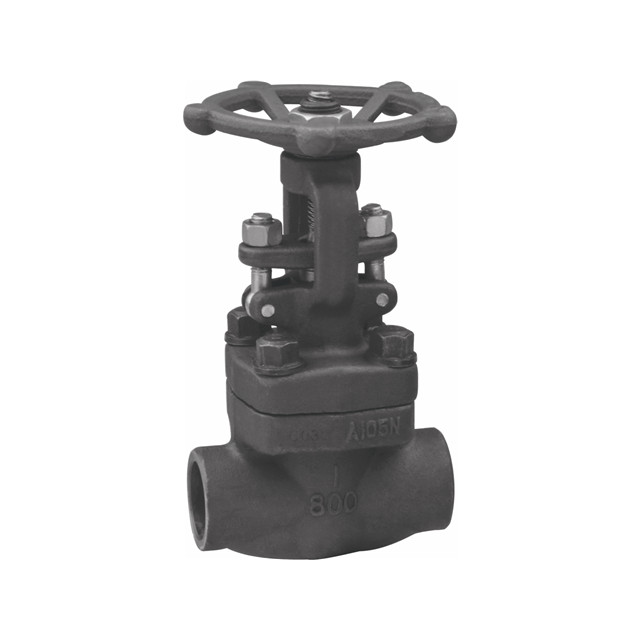
Incorrect Installation and Assembly
Selecting the appropriate check valve for the application and following the manufacturer’s guidelines during installation can prevent leaks.
Insufficient Maintenance
Regular inspection and cleaning of check valves are crucial to prevent debris buildup and extend the valve’s lifespan.
Reverse Flow
Excessive reverse flow can cause wear and tear on the valve, leading to eventual leaks.
High Temperatures
Elevated temperatures can accelerate valve wear and reduce the effectiveness of the seal.
Stem Leakage
Excessive wear, tear, or improper installation can result in leaks from the stem.

Customize the perfect valve for your project! Get a quote and explore our custom options.
Leakage from the Seat Seal
Improper installation or wear and tear of the seat seal can lead to leaks.
Loose Fasteners
Over time, fasteners can loosen, causing leaks around the valve.
Damaged Gaskets
Gaskets that become damaged or worn out can contribute to leaks.
Debris Blockage
Solid particles trapped in the valve can obstruct the flow and cause leaks.
To address check valve leaks, regular maintenance, debris removal, and prompt replacement of damaged components are recommended.
If issues persist, replacing the entire valve may be necessary.
Swing Check Valve
The Xintai Swing Check Valve is designed for reliable flow control, providing optimal performance in a wide range of industrial systems.
Explore Product
How to Fix Check Valve Problems
Identifying and fixing check valve problems is crucial for optimal performance. Here are solutions to common issues:
Tip 1: Proper Installation
- Select the correct valve for the intended purpose and application.
- Install by following manufacturer guidelines to prevent premature wear.
Tip 2: Regular Maintenance
- Inspect and clean valves regularly to prevent debris buildup.
- Extend the valve’s lifespan with routine maintenance.
Tip 3: Replace Damaged Components
Replace worn-out components like the disc, seat, spring, or gasket to prevent leaks.
Tip 4: Address Reverse Flow
Reduce reverse flow to prevent valve wear and tear.
Tip 5: Lubrication
Apply lubrication to reduce friction, enhancing the valve’s service life.
Tip 6: Replace the Valve
If issues persist, consider replacing the entire valve.
It’s crucial to adhere to the manufacturer’s instructions for installation and maintenance, ensuring proper function and preventing damage to the valve or the system.
Regular inspections and cleaning further contribute to leak prevention and overall system health.

Key Takeaway
Common check valve problems, such as incorrect installation or wear and tear, can lead to leaks.
Proper installation, regular maintenance, and component replacement address these issues.
Following manufacturer guidelines is crucial to ensure optimal check valve performance, preventing damage and extending the system’s lifespan.


🔎 Recommended Reading for Check Valves
Understanding Check Valve Functionality
Learn how check valves work to prevent reverse flow and ensure system reliability in industrial pipelines.
Types of Check Valves and Their Applications
Explore different types of check valves and their specific applications in various industries.
Proper Maintenance for Check Valves
Discover essential maintenance tips to ensure your check valves operate smoothly and last longer.


