
If you’re deciding between 304 vs 316 stainless steel for gate valves, the key difference lies in corrosion resistance and application suitability. Both are common materials for stainless steel valves used in chemical processing, marine environments, and high-pressure systems. However, 316 stainless steel provides superior protection against chloride-induced corrosion, making it ideal for demanding industrial settings.
This guide explains the properties, benefits, and applications of each grade, helping you choose the right material for your specific needs.
Understanding 304 Stainless Steel Properties

304 stainless steel is one of the most widely used austenitic grades for industrial valve solutions because of its versatility, durability, and affordability. It contains around 18% chromium and 8% nickel, giving it strong corrosion resistance for general environments.
Key Advantages of 304 Stainless Steel
- Suitable for gate valves, pipeline safety valves, and general fluid control.
- Excellent formability and weldability make it easier for precision casting of valves.
- Cost-effective compared to 316, making it ideal for applications where extreme chemical resistance isn’t required.
Best Applications
304-grade gate valves are widely used in:
- Food and beverage systems
- Water distribution
- HVAC and low-pressure industrial systems
- Automotive components
Exploring 316 Stainless Steel Corrosion Resistance

316 stainless steel is designed for environments where corrosion resistance is critical. It has a similar base composition to 304 but includes 2-3% molybdenum, which significantly enhances resistance to chlorides, acids, and harsh chemicals.
Why Choose 316 Stainless Steel for Gate Valves
- Superior marine-grade stainless steel performance, ideal for coastal environments and desalination plants.
- Better resistance to pitting and crevice corrosion, especially in chemical and saltwater exposure.
- High durability, making it suitable for high-pressure industrial valves used in chemical processing facilities.
Common Industrial Uses
316-grade gate valves are commonly used in:
- Offshore oil and gas pipelines
- Chemical processing valves
- Marine systems and shipbuilding
- Pharmaceutical manufacturing equipment
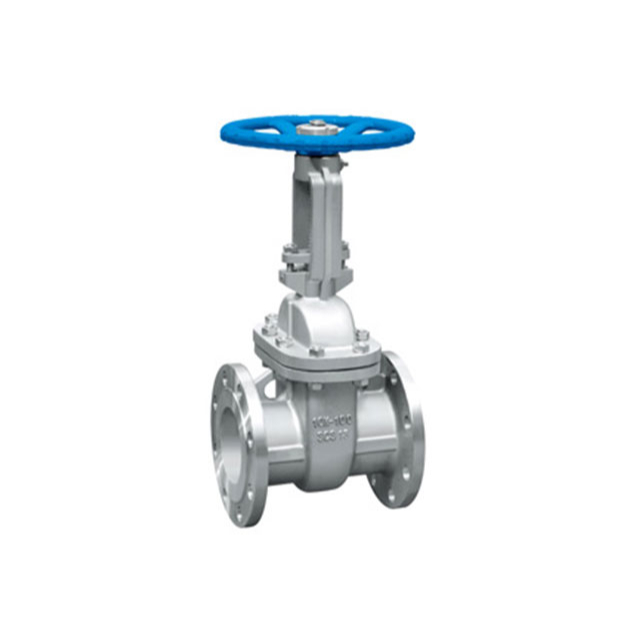
304 vs 316 Stainless Steel for Gate Valves: Key Comparison
| Feature | 304 Stainless Steel | 316 Stainless Steel |
| Corrosion Resistance | Good for general environments | Superior in harsh, chloride-rich environments |
| Composition | ~18% Cr, ~8% Ni | ~16% Cr, ~10% Ni, 2-3% Mo |
| Applications | Food, water, HVAC, automotive | Chemical, marine, oil & gas |
| Cost | More economical | Higher initial cost, better lifespan |
| Valve Types | Suitable for gate valves, pipeline safety valves, and general stainless steel valves | Ideal for chemical processing valves, marine-grade stainless steel systems, and high-pressure industrial valves |
Choosing the Right Material for Your Gate Valves
When selecting 304 vs 316 stainless steel for gate valves, consider:
- Environment: Use 316 for marine or chemical exposure; 304 for mild conditions.
- Budget: 304 offers a lower-cost solution, while 316 provides long-term savings.
- Industry Needs: Chemical plants, desalination, and offshore projects benefit from 316’s enhanced resistance.
For highly corrosive environments, API certified valves made from 316 stainless steel are recommended to meet global standards and ensure operational safety.
Conclusion
Choosing the right material between 304 vs 316 stainless steel for gate valves ensures durability, cost efficiency, and safety in your operations. If your project involves chemical exposure, marine systems, or high-pressure industrial valves, 316 stainless steel offers superior performance. For general-purpose applications, 304 stainless steel valves provide an economical and reliable solution.At Xintai Valve Group, we specialize in manufacturing API certified valves with advanced precision casting for valves, offering complete industrial valve solutions for global projects. Visit Xintai Valve Group to explore our high-performance gate valves designed for demanding industries.


