
Choosing between a one-piece ball valve and a two-piece ball valve starts with understanding how their body construction affects performance, cost, and long-term maintenance.
This simple design difference shapes everything from durability to ball valve repairability, making it essential to compare both options before deciding which is best for your system.
What Makes These Two Valves Different
A one-piece ball valve is made from a single, solid body, while a two-piece ball valve is built using two connected end pieces.
This small structural difference results in major changes in flow performance, leak protection, repair options, and installation flexibility.
Both valves use the same basic mechanism, since a ball rotates inside the body to open or close the flow path.
What changes is how the valve behaves in real-world applications where reliability and maintenance access matter.
Understanding One-Piece Ball Valve Design
A one-piece ball valve is known for its compact, seamless body.
Because it is constructed from a single block of metal, there are no external joints between pieces that might loosen over time.
This makes it a favorite in small pipelines, low-cost systems, or high-volume applications where reliability matters more than maintenance access.
The one-piece structure reduces leakage risks because there are fewer sealing points.
It also creates a straight, smooth flow path that helps minimize pressure drop.
However, the same design that makes it leak-resistant also limits ball valve repairability.
Since the valve cannot be taken apart, internal cleaning or part replacement is not possible.
When a one-piece valve fails, it must be removed entirely from the line.
This type of valve works well in systems that prioritize low cost, compact size, and simple operation.
Common industries include water distribution, low-temperature service, general utilities, and light industrial applications where long-term internal access is not required.
1-PIECE BALL VALVE
Application scope: petroleum chemical industry, electric power, metallurgy, medicine, real estate, municipal engineering and other industries.
Explore Product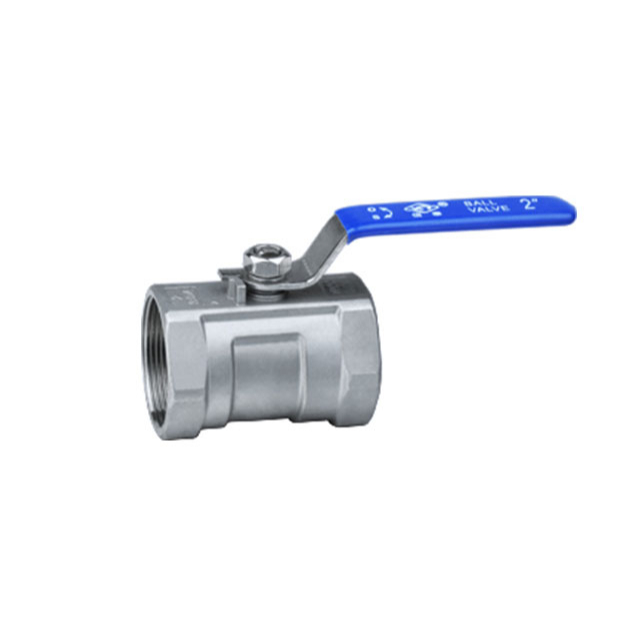
Understanding Two-Piece Ball Valve Design
A two-piece ball valve is built from two connected body sections.
The first piece includes the inlet port and the ball assembly, while the second piece holds the outlet port.
These pieces are joined together with bolts or threaded connections.
This design makes the valve easier to service because removing the second piece provides direct access to the internal components.
This difference is critical for ball valve repairability.
While a one-piece valve must be thrown away when it fails, a two-piece ball valve can be cleaned, resealed, and repaired without replacing the entire body.
This makes it a better choice for pipelines that are difficult to dismantle or shut down.
Although the design introduces an additional sealing point, modern manufacturing techniques ensure tight joints that prevent leaks when properly installed.
Two-piece valves also support a wide range of materials, including stainless steel, carbon steel, and brass.
This makes them suitable for oil and gas lines, chemical handling, process plants, and high-pressure systems that need long-term maintenance access.
2-PIECE BALL VALVE
Application scope: petroleum chemical industry, electric power, metallurgy, medicine, real estate, municipal engineering and other industries.
Explore Product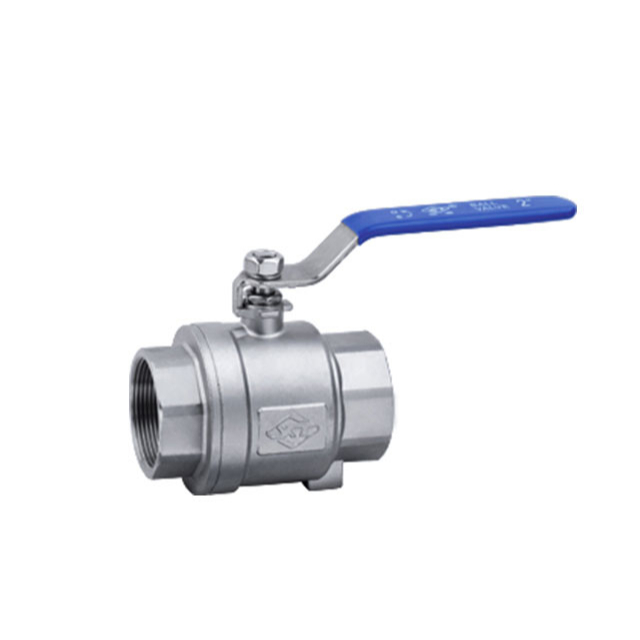
One-Piece Ball Valve vs Two-Piece Ball Valve: Key Differences
Below is a clear side-by-side comparison to help you see how a one-piece ball valve compares to a two-piece ball valve.
| Factor | One-Piece Ball Valve | Two-Piece Ball Valve |
| Body Construction | Single solid body | Two connected body pieces |
| Leak Protection | Very low leak risk due to fewer joints | Excellent sealing but with one additional joint |
| Ball Valve Repairability | Not repairable because it cannot be opened | Highly repairable with internal access |
| Cost | More affordable | Higher cost due to construction complexity |
| Installation | Best for small or simple pipelines | Suitable for wide range of pipelines |
| Durability | Strong and compact | Very durable with proper maintenance |
| Best Application | Low-pressure, clean media, general use | Industrial systems, oil and gas, chemical applications |
Which Valve Should You Choose
The best choice depends on what your system values most.
If you need a low-cost, compact, and leak-resistant valve for simple applications, the one-piece ball valve is usually enough.
Its sealed body makes it dependable and easy to install, especially in non-critical service.
If your system needs long-term maintenance capability or handles corrosive, dirty, or high-pressure media, the two-piece ball valve is the smarter choice.
The ability to repair and clean the valve without replacing the entire body offers long-term savings and stability.
Many engineers choose two-piece designs for critical lines because they balance cost and maintainability.
Final Thoughts: One-Piece Ball Valve vs Two-Piece Ball Valve
Choosing between a one-piece ball valve and a two-piece ball valve is easier when you understand how their body structure affects lifespan, installation, and ball valve repairability.
A one-piece body offers simplicity and low leakage, while a two-piece body offers service access and stronger durability in industrial settings.
Once you match the valve design to your system’s needs, selecting the right option becomes straightforward.

Customize the perfect valve for your project! Get a quote and explore our custom options.


