
When you specify DBB isolation, the real question is simple: how do the seats seal, and what happens to pressure trapped inside the valve body? That’s why “single piston effect” (SPE) and “dual piston effect” (DPE) matter. They change what you’ll see during shutdown verification, bleeding, and maintenance.
If you want the full DBB concept first, start here: The Ultimate Guide to Double Block and Bleed Valves.
DBB vs DIB: the terminology that causes spec mistakes
Why teams mix the terms
Projects often use “DBB” as shorthand for “two barriers + bleed.” You may also see legacy shorthand like double block bleed valve, which usually points to the same isolation intent, but it doesn’t always spell out seat behavior or how cavity pressure is managed.
Many standards and vendor definitions separate these terms:
- DBB: two unidirectional seats + bleed, with cavity pressure designed to relieve (design-dependent)
- DIB: one or two bidirectional seats + bleed, where cavity pressure may require a defined relief method
Xintai summarizes the practical differences here: DBB vs DIB Valves: What’s the Difference and When to Use Them.
What SPE and DPE mean in seat design
SPE seat behavior (verification-friendly)
A Single Piston Effect seat is pressure-assisted from one direction. In everyday field terms:
- Each seat seals against pressure from its side
- The cavity can be bled and monitored
- Cavity pressure relief is often part of the design approach (confirm the direction and method on the datasheet)
SPE behavior commonly fits the classic “bleed-and-verify” workflow.
DPE seat behavior (bidirectional isolation)
A Dual Piston Effect seat is pressure-assisted from both directions. That means it can keep sealing whether pressure is upstream or downstream, useful when direction can change during switching, startup, or abnormal events.
The tradeoff is cavity management. A DPE configuration can hold cavity pressure, so your spec should clearly state how that pressure is handled (system relief, a dedicated relief valve, or a defined routing plan).
SPE vs DPE comparison table
| Decision point | SPE (Single piston effect) | DPE (Dual piston effect) |
| Isolation direction | One direction per seat | Both directions |
| Cavity pressure behavior | Often designed to relieve (confirm method) | Can trap cavity pressure (plan relief) |
| Best fit | Routine verification and maintenance isolation | Bidirectional sealing and switching duty |
| What to confirm | Seat relief design + test method | Cavity relief method + test method |
For related bleed and verification concepts, see: Understanding Block and Bleed Valves.
How to choose the right seat effect for your DBB spec
Start with the site workflow
A double block and bleed valve is often chosen because teams want a repeatable method:
- Close the valve
- Open the bleed to depressurize the cavity
- Confirm pressure drop or leakage indication between seats
- Proceed under your site’s lockout/tagout process
If your site depends on cavity bleeding to prove isolation, SPE behavior, and the cavity relief details, these should be written into the datasheet.
When DPE is the better fit
Choose DPE seat behavior when bidirectional sealing is required because:
- Flow reversals occur
- Isolation must hold regardless of pressure direction
- Switching operations are frequent
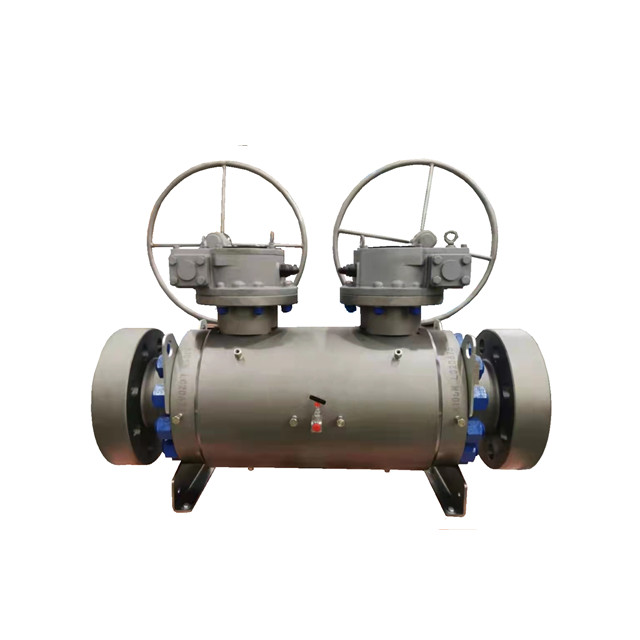
In purchasing language, this often becomes a double block and bleed ball valve requirement, plus a specific clause stating SPE or DPE and the cavity pressure strategy.
Spec questions that prevent rework during approval
Ask these before quoting
To avoid “approved in procurement, revised in review,” confirm:
- Is the valve DBB or DIB by definition, and which test applies?
- Seat effect: SPE or DPE (state it explicitly)
- Cavity relief approach (self-relief vs external relief requirement)
- Bleed port size, orientation, and safe vent/drain routing
- Required inspection and acceptance documentation
If your DBB function is on a trunnion platform, this is a helpful primer: What Is a Trunnion Ball Valve?
Conclusion
SPE and DPE describe seat behavior, and seat behavior determines how isolation is verified and how cavity pressure is handled. SPE options often align well with routine cavity bleed verification. DPE options provide bidirectional sealing, but they require an explicit cavity relief plan.
When selecting a double block and bleed valve, write the seat effect and cavity pressure method into the datasheet. It makes approvals clearer and reduces back-and-forth during commissioning and maintenance.
3 Key Takeaways
- SPE vs DPE describes how seats are pressure-assisted, which affects isolation and cavity pressure behavior.
- DPE supports bidirectional isolation, but cavity pressure relief must be defined.
- Put the seat effect, relief approach, and verification method in the spec to avoid rework.
FAQs
What does DBB mean on a valve datasheet?
It typically means two isolation barriers with a bleed point to depressurize and verify leakage between seats.
Is SPE the same as DBB?
No. SPE describes seat behavior. You should still specify whether the seats are SPE or DPE, and how cavity pressure is handled.
Why can DPE require external cavity relief?
Because DPE seats can seal from both directions, cavity pressure may not relieve unless a relief route is specified.
Can a DBB design help with leak detection?
Yes. The bleed cavity can be monitored for pressure changes that indicate seat leakage, depending on the test method and design.
What should I include in a DBB purchase specification?
Seat effect (SPE/DPE), cavity relief approach, bleed port details, materials, pressure class, and required test/inspection documentation.


