
An efficient high-pressure fluid control means looking into the integrity of the body-to-bonnet joint. When engineers assess cast steel globe valves, it usually comes down to the specialized high-pressure seal design versus the traditional bolted bonnet.
Both designs offer the same purpose but are distinct in their mechanical response to internal stress. For procurement teams, it’s essential to understand key principles when selecting a high pressure globe valve for facilities such as modern power stations, heavy industrial applications, and chemical processing plants.
1. Basics of Valve Bonnet-to-Body Connections
The valve bonnet-to-body connection is a crucial interface that seals the internal components of the valve. At the same time, it allows access for easy maintenance. In a high-pressure globe valve, such a connection ensures the pressure’s containment and structural integrity by securely joining the bonnet that houses the packing and stem.
While standard connections rely on an external clamping force, a high-pressure design uses the system’s own energy in reinforcing the seal. The effectiveness of these connections dictates the valve’s weight, maintenance profile, and longevity in environments where system pressures often exceed 170 bar.
2. What are the Mechanics of Bolted Bonnets
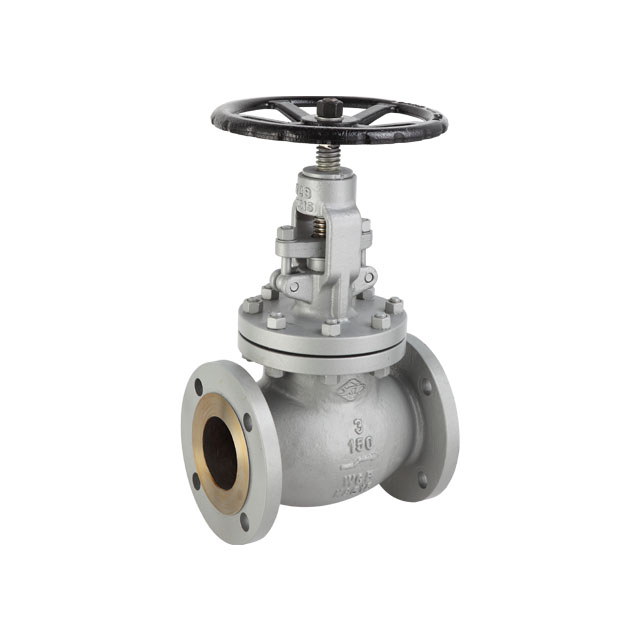
The bolted bonnet is the most common and versatile configuration for cast steel globe valves. This design follows a straightforward mechanical principle: the body is literally bolted to the bonnet using a series of studs and nuts. A gasket—typically a metallic spiral-wound type or a ring-joint gasket—is compressed between the machined flange faces to provide the necessary seal.
In this arrangement, the sealing integrity relies entirely on “preload,” or the specific torque applied to the fasteners during assembly. A significant drawback in high-pressure service is that the internal system pressure pushes the bonnet upward, thereby opposing the bolt tension.
Consequently, as pressure classes rise, the flanges and bolts must become massive to maintain a seal against the internal force. This mechanical reality results in a heavy and cumbersome valve profile that complicates installation and insulation in tight plant manifolds.

3. Why Pressure Seals Excel at High Temperatures
The pressure seal globe valve represents a more elegant, technically superior mechanical solution for extreme conditions. Unlike a bolted design, the sealing force in a pressure seal valve increases directly with the internal system pressure. This design utilizes a segmental thrust ring and a specialized gasket—often die-formed graphite or silver-plated soft steel—nested securely within the body cavity.
When the system pressure rises, there’s a high probability that the bonnet will move upwards. This forces the gasket against the body’s inner diameter and the segmental ring, creating a tighter seal. The self-tightening behavior makes a pressure seal globe valve a better choice for ASME B16.34 Class 600 through Class 2500 service. These valves handle thermal cycling more effectively than bolted designs.
4. Weight and Space Comparison for Power Plants
A pressure seal globe valve offers a distinct advantage by eliminating the heavy external flanges and large studs required by bolted designs. A pressure seal valve is about 30% to 50% lighter than the bolted bonnet of the same pressure rating and size.
The reduced mass ultimately simplifies the design of hangers, pipe supports, and seismic bracing. In a high pressure valve, the weight reduction means lower shipping costs and much safer onsite handling during repairs and installation.
Conclusion
Surely, bolted-bonnet cast steel globe valves are an integral design for moderate service. However, for high-temperature applications, the pressure seal globe valve is the best choice. It guarantees significant weight savings, enhanced boundary integrity, and superior performance, especially in feedwater and demanding steam systems. If the purpose is to prioritize safety and reduce maintenance downtime, the latter will always be the benchmark.


