
Navigating the fluctuating globe valve price is a skill that procurement teams and engineers should possess. It’s necessary to balance the business’s initial investment with the system’s long-term integrity. It can be tempting to compare costs based solely on nominal pipe size. However, it’s worth noting that the market value of premium flow control hardware varies based on technical factors, such as the precision of the internal trim and the molten steel grade.
This guide takes you through the factors that affect the cost of cast steel globe valves, helping you identify where technical specifications drive value and how to optimize the project budget without compromising safety.
1. Raw Material Volatility: WCB vs. LCB
When comparing WCB and LCB, their market volatility poses challenges in pricing and procurement. While both are critical components, their price fluctuations differ, influencing manufacturing costs and supply chain resilience.
Raw materials are the most significant drivers of a globe valve price. Most globe valve manufacturers use the standard ASTM A216 WCB and low-temperature A352 LCB carbon steel grades.
WCB is the versatile baseline, suitable for moderate temperatures. Meanwhile, LCB steel requires specialized alloying and Charpy impact testing to ensure it won’t be brittle in freezing environments. As a result, the LCB carries a premium level of about 15% to 25% over the standard WCB.
As the raw material surcharges fluctuate, it will directly affect the final unit price. This is a reminder for procurement teams to assess the required minimum design metal temperature of the system. Facilitate choosing WCB for systems that drop below -29°C, as it might be cost-effective but may also lead to disastrous valve body failure.
2. What are the Manufacturing Valve Standards and Certifications?
All-purpose valves are obviously cheaper than those made with rigorous specifications and to comply with API 623 or BS 1873 standards. They require thicker wall sections, tighter machining tolerances, and larger stem diameters.
Certifications add a necessary layer of “administrative cost” that guarantees safety. Compliance with the Pressure Equipment Directive (PED) for the European market, or fugitive emission certifications (such as API 624), requires ongoing investment from globe valve manufacturers. While these standards may increase the initial globe valve price, they provide the essential legal and safety documentation required for high-stakes industrial facilities.
During the procurement process, managers must know that the AP1 623 is generally much more expensive than BS 1873. It comes with robust requirements with a fully guided disc to prevent vibration. While lead times vary depending on valve quantity, trusted manufacturers guarantee that every piece of hardware leaving the factory has been tested and certified to ensure the highest quality.
3. Testing Requirements: NDT, X-ray, and Hydro
The testing phase is where procurement costs often escalate, depending on the application’s criticality. While every valve undergoes a standard hydrostatic leak test, “Severe Service” projects frequently demand Non-Destructive Testing (NDT) to ensure the casting is free of internal defects.
Common testing upgrades that influence the globe valve price include:
- Radiographic Testing (X-ray): It’s the premium standard in detecting internal voids, shrinkage, and porosity within the valve’s body. This is usually the most expensive NDT method because specialized personnel and equipment are required.
- Magnetic Particle (MPI) or Dye Penetrant (DPI) Testing: This identifies the possible hairline fractures in the surface level that usually occur during the cast steel’s cooling.
- Positive Material Identification (PMI): This verifies that the alloy composition matches the mill test report exactly.
For a high-pressure manifold requiring 100% X-ray inspection of all cast steel globe valves, unit cost can increase significantly, but it is the only way to ensure the hardware’s structural integrity.
4. Custom Trim and Seat Materials
The “trim”—comprised of the stem, disc, and seat rings—is where the mechanical work happens. The valve body is made of carbon steel, but the internals are of expensive alloys. API Trim 8 (Stellite-faced) is the industry benchmark, but some specialized hardware may require Monel, Hastelloy, or 316 Stainless Steel.
If the project requires globe valves for flow control with a “bubble-tight” composition disc, like PTFE or Viton, it’s expected to be expensive. In many specialized applications, a custom trim can account for up to 40% of the total globe valve price.
Choosing between soft seats and metal seats will affect the globe valve’s price. If the system does not need the zero-leakage feature, PTFE or Viton composition discs are usually preferred. However, the soft seat material is temperature-limited. Meanwhile, in high-pressure environments, metal seats are recommended. Procurement teams can also opt for a custom trim. This might also cost a little more than the others.
5. How do Logistics and Market Demand Affect the Valve Pricing?
Since cast steel globe valves are heavy, the shipping must cover substantial insurance, freight, and duty costs. Pricing cycles are also affected by market demand. The surge in global infrastructure and energy projects is leading globe valve manufacturers to impose longer lead times and higher prices on ‘ex-stock’ inventory.
As a procurement manager, it’s ideal to engage in long-term supply discussions or arrange bulk orders during market troughs. Securing orders six to nine months in advance allows managers to avoid the volatility of freight rates, which can triple during peak seasons.
For example, an industrial plant can procure 20 units for bulk sea-freight orders a few months in advance. Doing so reduces the per-unit landing cost and maximizes container utilization. For smaller orders, the ‘Less than Container Load’ can be an option. However, this might pose handling damage risks. Overall, the full-container shipment is not only safer but also cost-effective.
6. What is the Impact of the Valve’s Design Complexity?

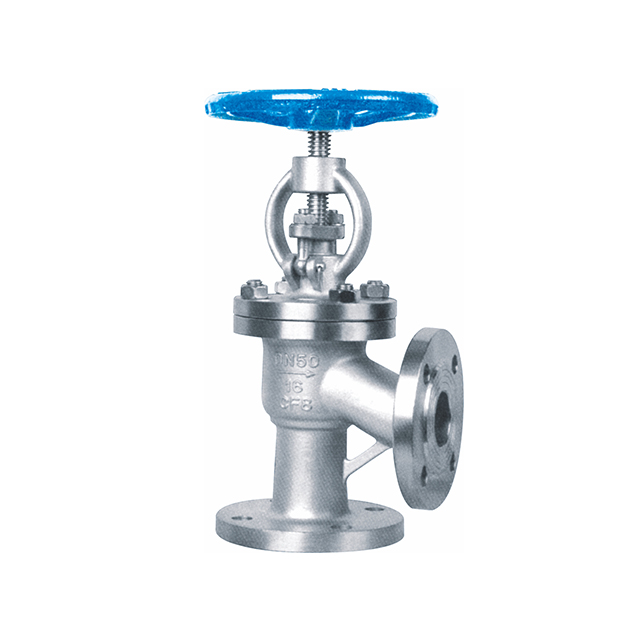
For valves like Z-body, Y-body, or Angle-style, there’s an added layer to the cost structure. For example, Angle globe valves may reduce the number of pipe fittings in a system, but this also requires specialized castings to achieve that 90-degree turn. Such a specification requires a higher cost per unit than a standard Z-body. Similarly, Bellows Seal designs, which are used to prevent toxic leaks to the atmosphere, involve highly specialized internal components that can triple the baseline cost.
Conclusion: Balancing Cost and Quality
Procuring cast steel globe valves is an exercise in risk management. It’s clear that logistics and raw materials affect the price of globe valves. However, the significant increase in costs is tied to the quality of casting and the testing procedures done to ensure the best possible valve performance. Sourcing hardware from a reputable supplier means there are testing requirements. As a result, businesses will have a stable and cost-effective flow control system.


