
A well-performing piping system means it’s properly installed. Technical teams ensure the flanged globe valve is perfectly aligned during commissioning. While industrial globe valves are designed for rugged throttling service, they are precision instruments internally. Even a slight misalignment can compromise the valve’s integrity, leading to premature failure that even the best globe valve manufacturers cannot prevent through design alone.
1. Why Misalignment Causes Stem Binding and Leaks
As mentioned, misalignment results in stem binding and flange globe valve leakage. When a flanged globe valve is bolted into a system with off-center piping, it subjects the valve body to “piping stress.” This stress causes the internal cage or seat to distort minutely.
The globe valve generally relies on a linear stem movement to press the disc into the seat. This means any body distortion will result in stem binding, where the stem rubs against the guides or packing. Such friction hinders smooth operation and may cause uneven contact between the seat and the disc, leading to persistent internal leaks and “wire-drawing” erosion.
2. How is the Pre-Installation Flange Check Done?
A thorough flange check is mandatory before the valve is lifted into place. It’s important that the pipe flanges be parallel and that the distance between them matches the face-to-face dimension specified by globe valve manufacturers. Assess whether there’s an axial misalignment where the pipsed does not have a similar centerline. If a pry bar is used to force the pipes and valve to meet, there’s forced friction that may result in a flanged globe valve leakage. Most importantly, clean the sealing surfaces and check for scratches or pits that may prevent even compression on the gasket.
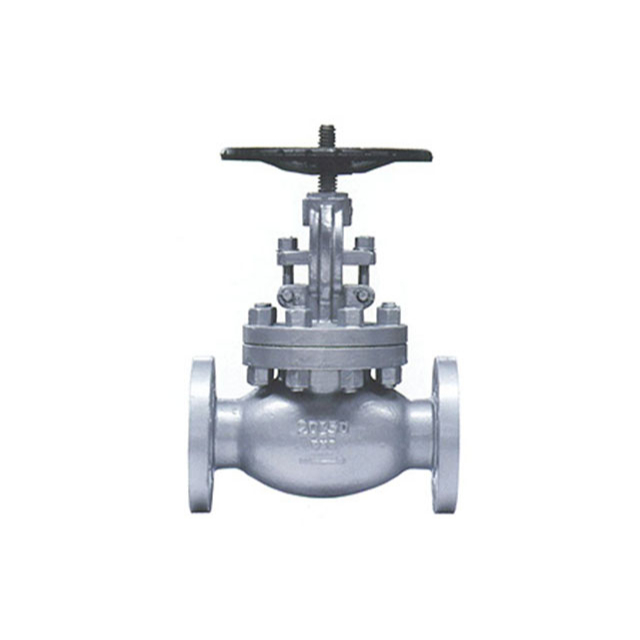
3. Tools for Precision Leveling
Using the naked eye during installation won’t suffice if the goal is to reach the standards expected for industrial globe valves. Maximize a quality spirit level to assess the pipe’s vertical and horizontal planes. On critical high-pressure lines, it’s recommended to use laser alignment tools. This guarantees that the piping run is perfectly straight, removing the micro blends that can cause premature packing wear.
To align the bolt holes perfectly, use the flange alignment pins or drift pins. This guarantees that the pipe hangers support the assembly’s weight accordingly. Such tools ensure the pipe hangers support the valve’s weight, thereby preventing the valve neck from bending.
4. Bolting Torque Sequences for Alignment
The final alignment is secured during bolting. To ensure the flanged globe valve seats correctly, you must follow a star-pattern or crisscross torque sequence. Never tighten one side completely before starting the others; this “cocks” the flange and creates a lopsided seal.

Instead of quickly moving to full torque, engineers and manufacturers recommend a phased process. The following steps guarantee undisturbed internal alignment.
- Hand Tighten: Ensure the gasket is centered.
- 30% Torque: Follow the star pattern to apply light pressure.
- 60% Torque: Increase pressure while checking the gap between flanges with a feeler gauge to ensure it is uniform.
- 100% Torque: Apply final torque values provided by the gasket and globe valve manufacturer.
Stem binding is evident if one fails to follow the steps above. It will be difficult to turn the valve because the body has been warped by an uneven bolt load. If a leak happens during the first hydro-test, pressurize the system, loosen the bolts, and restart the pattern sequence.
5. Final Inspection
Once torqued, perform a final manual cycle. Turn the handwheel to ensure the stem moves freely without any “tight spots” or grinding noises. Check the flange gap one last time with calipers. Perfectly aligned industrial globe valves should operate smoothly and exhibit no external weeping during the initial pressure test.


