
Flow direction inside a globe valve affects torque, sealing force, and operating stability.
When selecting globe valves for flow control, choosing between under-the-disc and over-the-disc flow is not optional.
It directly impacts the following:
- Safety
- Actuator sizing, and
- Long-term functionality.
The difference is simple in concept but significant in operation. Pressure either pushes the disc upward or downward. That force changes how the valve opens, closes, and performs under load.
Understanding this internal force balance helps operators avoid oversizing actuators, reduce wear, and improve service life.
Basics of Globe Valve Flow Orientation
In a globe valve, the disc moves up and down to control flow. Fluid can enter either below the seat or above it.
If fluid enters below the disc, it is called flow under the seat. The pressure pushes upward against the disc.
If fluid enters above the disc, it is called flow over the seat. The pressure pushes downward onto the disc.
The direction changes how the valve opens, closes, and handles pressure. Many industrial globe valves are marked with flow direction arrows to prevent installation mistakes.

Benefits of Flow Under the Seat
Flow under the seat is common in low to medium-pressure systems. In this setup, pressure helps lift the disc when opening.
This reduces the effort required to start opening the valve. Operators often find smoother control in moderate conditions.
When closing, the disc moves against the pressure. This allows tight sealing because system pressure supports the shutoff force.
This configuration is helpful in applications where leak-tight closure is important. It improves sealing performance in standard water and process lines.
Another advantage is reduced stem stress during opening. The upward pressure assists movement rather than resisting it.
However, at very high pressure, the force pushing upward can increase torque demand during closing. That is why service conditions must always be evaluated before selection.
Why High-Pressure Steam Uses Flow Over the Seat
High-pressure steam systems often use flow over the seat. In this design, pressure pushes the disc downward toward the seat.
This orientation improves stability during operation. Steam systems experience rapid pressure changes and high temperatures.
With flow over the seat, system pressure helps keep the valve stable in partially open positions. This reduces vibration and seat damage.
Another reason is safety during stem failure. If the stem were damaged, pressure would tend to push the disc toward the closed position rather than open. This fail-toward-close behavior is important in steam lines.
High-pressure steam also creates strong lifting forces in under-seat designs. That increases torque demand and may require a larger actuator.
By placing flow over the disc, the closing torque is reduced because pressure assists the shutoff. This helps protect actuators and gear systems.
Many globe valve manufacturers recommend over-seat flow for high-pressure and high-temperature steam service. It improves control stability and extends seat life.
Impact on Torque and Stem Diameter
Flow direction directly affects operating torque. Torque determines actuator size and manual effort.
Torque Differences
With the flow under the seat, the opening torque is lower because pressure helps lift the disc. However, closing torque increases at higher pressures.
With flow over the seat, closing torque decreases because pressure pushes the disc toward shutoff. Opening torque may increase slightly.
This difference becomes significant in large-diameter valves. Actuator sizing must account for worst-case pressure conditions.
Stem and Structural Design
Higher torque often requires a thicker stem. A larger stem increases strength but also raises cost and weight.
In high-pressure service, over-seat flow may allow smaller actuators because pressure assists closure. This can reduce overall system cost.
Designers must also consider wear patterns. Flow direction changes how force is distributed across the seat.
Some first-page articles explain flow direction but ignore torque and actuator sizing. In real installations, these factors directly affect functionality and the operating budget.
Selecting the wrong orientation can lead to oversized actuators or premature stem wear.
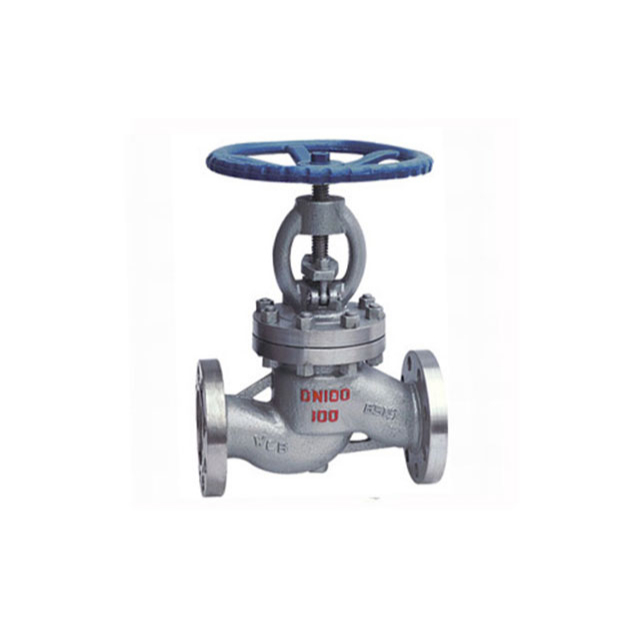
Installation and Marking Considerations
Correct installation is essential. Globe valves for flow control are usually marked with arrows showing recommended flow direction.
Ignoring these markings can change torque requirements and affect sealing performance. Always verify flow direction before commissioning.
Maintenance teams should also understand orientation during repairs. Reinstallation errors can lead to unexpected operating behavior.
Clear documentation and training help prevent costly mistakes.
Quick Comparison Table
| Parameter | Flow Under the Seat | Flow Over the Seat |
| Pressure Force Direction | Pushes the disc upward | Pushes the disc downward |
| Opening Effort | Lower at moderate pressure | Slightly higher |
| Closing Effort | Higher at high pressure | Lower at high pressure |
| Steam Suitability | Limited in high pressure | Preferred for high-pressure steam |
| Fail Behavior | May lift if the stem fails | Tends toward closed position |
This comparison highlights functional differences rather than simple design variation.
Final Advice for Operators
Choose flow direction based on pressure, temperature, and safety goals. Do not rely only on habit or past installations.
For moderate-pressure water and process lines, under-seat flow often provides smooth operation and tight sealing. For high-pressure steam, over-seat flow improves stability and reduces stress.
Consult specifications carefully and confirm actuator sizing calculations. Discuss torque requirements with globe valve manufacturers when handling demanding service.
Industrial globe valves perform when installed with the correct flow orientation. A clear understanding of pressure forces prevents:
- Oversizing
- Premature wear, and
- Unsafe operation.
Selecting the right configuration ensures long service life and better control performance in demanding systems.


