
Proper lubrication keeps cast steel globe valves operating smoothly and extends their service life.
Without it, the following may occur:
- Friction increases,
- Torque rises, and
- Internal parts wear faster.
If you want dependable shut-off and easy operation, lubrication must be part of your routine maintenance plan.
Many operators focus only on sealing parts. However, stem threads and moving components also require attention. A simple lubrication schedule prevents avoidable damage and downtime.
Why Lubricating Threads and Stems Matters
The stem transfers motion from the handwheel or actuator to the disc. Each time the valve opens or closes, the stem threads rotate under load.
Without grease, metal surfaces rub directly against each other. This increases friction and accelerates wear.
Over time, dry threads can gall or seize. That makes the operation difficult and may damage the stem nut.
Lubrication reduces friction and keeps movement smooth. It also protects against rust in humid or outdoor environments.
For cast steel globe valves used in high-pressure service, smooth stem movement reduces strain on operators and actuators. Less resistance means better control and longer component life.
Selecting the Right Industrial Grease
Not all grease works for valve service. Temperature, pressure, and environment determine the right choice.
For high-temperature systems, use heat-resistant grease designed for industrial equipment. Standard grease may break down under heat.
For outdoor or corrosive environments, choose a grease with water and chemical resistance. This prevents washout and rust formation.
Food-grade or specialty grease may be required in certain industries. Always confirm compatibility with your process media.
Industrial globe valves operating in steam or chemical lines often require high-performance grease with stable viscosity. Consult technical data sheets before selection.
If unsure, ask globe valve suppliers for recommended lubrication types. They can match grease specifications with valve design.
Locating Grease Fittings
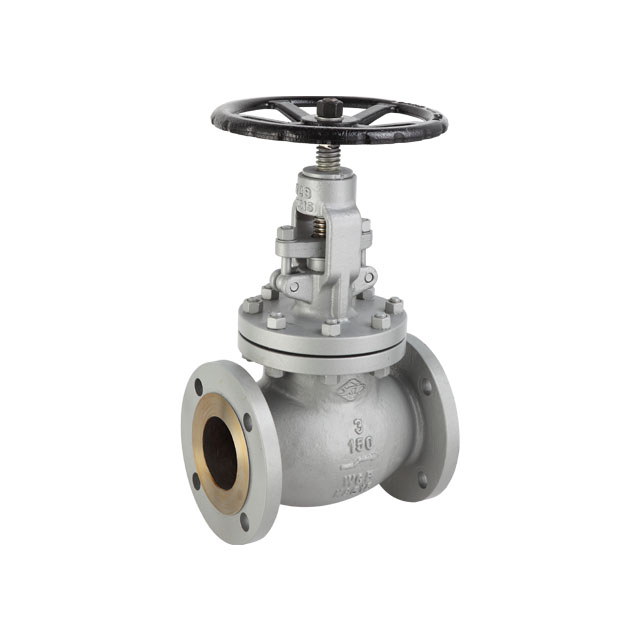
Before lubrication, identify where grease should be applied. Most valves have lubrication points near the stem nut or yoke area.
Manual valves may have visible grease fittings called grease nipples. These allow direct injection using a grease gun.
In some designs, lubrication is applied by removing a protective cap. Always check the manufacturer’s instructions.
Do not apply grease randomly. Focus on threaded areas and bearing surfaces.
For large cast steel globe valves, actuator assemblies may have separate lubrication points. These must be serviced according to actuator guidelines.
Clear identification of fittings prevents over-lubrication and keeps maintenance organized.

Step-by-Step Lubrication Process
Follow a simple and controlled procedure.
First, ensure the valve is in a safe position. Depressurize the line if required by site rules.
Second, clean the grease fitting area. Dirt can enter the system if not removed.
Third, attach the grease gun securely. Apply grease slowly while observing resistance.
Fourth, stop when slight back pressure is felt. Overfilling may damage seals.
Finally, wipe away excess grease. Keep records of the date and amount applied.
This process keeps threads protected without creating buildup.
Frequency and Safety Tips
Lubrication frequency depends on service conditions. Valves in frequent operation require more attention.
As a general guide, inspect lubrication points every three to six months. High-cycle systems may require monthly checks.
Always follow plant safety procedures before maintenance. Lockout and tagout may be required.
Wear gloves and eye protection during application. Grease under pressure can cause injury.
Avoid mixing different grease types. Incompatible products can break down and lose performance.
A simple maintenance log helps track intervals and identify unusual wear patterns.
Common Lubrication Mistakes to Avoid
Several small errors can reduce effectiveness.
Using the wrong grease grade is common. Always match grease to temperature and load.
Applying too much grease can damage seals and attract dirt. Controlled amounts are better than excess.
Ignoring actuator components is another mistake. Motorized assemblies often require separate care.
Failing to document service dates leads to inconsistent maintenance. Dependable records improve planning.
Preventive care reduces the need for emergency repairs.
Quick Reference Table
| Maintenance Area | Recommendation |
| Stem Threads | Apply suitable grease regularly |
| Grease Type | Match temperature and environment |
| Application Tool | Use proper grease gun |
| Inspection Interval | Every 3 to 6 months typical |
| Safety Step | Depressurize and follow lockout rules |
This table provides a quick overview for maintenance planning.
Final Thoughts
Smooth operation depends on consistent care. Cast steel globe valves perform functionally when the threads and moving parts remain properly lubricated.
Protecting both manual and automated industrial globe valves involves:
- Selecting the correct grease
- Applying it correctly, and
- Following a regular schedule.
When in doubt, consult trusted globe valve suppliers for maintenance guidance that matches your operating conditions.


