
Discover The Advantages And Disadvantages Of Each Valve, And Learn About The Key Factors To Consider When Making Your Decision.
Gate valves and stop valves are two commonly used types of valves in piping systems. But they differ significantly in many respects from each other.
Gate valves and stop valves are two popular home-use types of valves. But, there are many differences between them that may make it hard to decide which is best suited for your project. Read on to discover the main characteristics of both types and discover which will serve your needs best!
What is Gate Valve

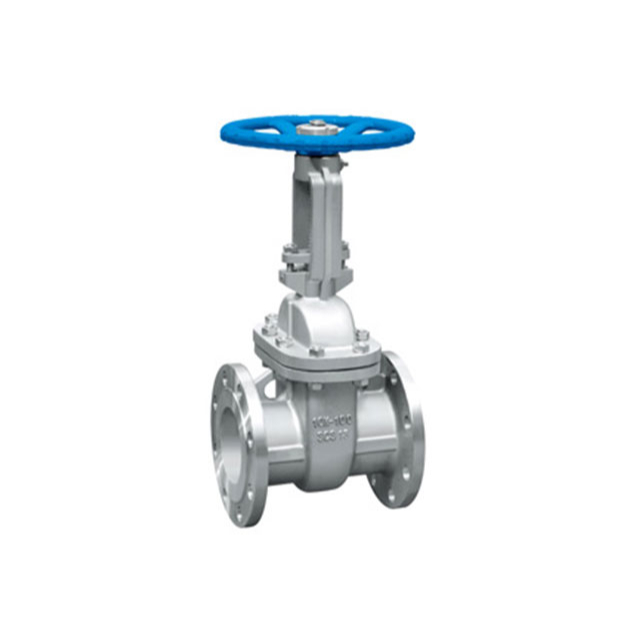
Gate valves are widely used flow control valves designed to either fully open or fully close the flow of liquids or gases. They feature a gate or wedge that moves perpendicular to the flow path to block or allow fluid passage.
The valve body houses key components such as the gate, valve seat, and stem. When fully open, gate valves provide a straight, unobstructed flow path, resulting in minimal pressure drop.
There are different types of gate valves, including wedge-shaped and parallel gate valves, commonly used in water supply systems and industrial applications.
Operation is typically via a hand wheel connected to a threaded stem, which raises or lowers the gate. Rising stem designs offer visual position indication, while non-rising stems save vertical space.
Gate valves are best suited for on/off control and should not be used for throttling or flow regulation.
What is Stop Valve
A stop valve is a valve designed to control the flow of liquids or gases by opening, closing, or partially obstructing the flow path.
It typically uses a plug or disc that moves perpendicular to the flow to stop or regulate fluid flow.
Stop valves are commonly used in plumbing systems to shut off water supply to fixtures like sinks and toilets.
They provide basic flow control but are less precise than globe valves for throttling applications.
Stop valves are durable and easy to operate but may require special tools for adjustment.
They are suitable for low to moderate pressure applications and often found in household and industrial settings.
Gate Valve vs Stop Valve: Key Differences
When choosing between a gate valve and a stop valve for your piping system, understanding their differences is crucial to selecting the right type of valve for your application. Both valves serve to control fluid flow, but their design, operation, and typical uses vary significantly. The table below highlights the main distinctions between gate valves and stop valves to help guide your decision.
| Feature | Gate Valve | Stop Valve |
|---|---|---|
| Function | Primarily used for on/off control, fully opening or closing flow | Used to stop or regulate flow, allowing partial flow control |
| Design | Features a gate (wedge-shaped or parallel) that moves perpendicular to flow | Uses a plug or disc that moves perpendicular to flow to block or regulate flow |
| Operation | Operated by turning a handwheel connected to a threaded stem; gate moves up/down | Operated by turning a handwheel that raises or lowers a plug or disc |
| Flow Path | Provides a straight, unobstructed flow when fully open, resulting in minimal pressure drop (low pressure drop is a key advantage of this type of valve) | May cause higher pressure drop due to partial obstruction in flow path |
| Flow Control | Not suitable for precise flow regulation or throttling; best used fully open or closed | Allows for partial flow control and throttling but less precise than globe valves |
| Maintenance | Requires more frequent maintenance due to moving parts like gate and stem needing lubrication and seal checks | Generally requires less maintenance; more robust and simpler in design |
| Pressure Handling | Suitable for higher pressure applications | Typically used in low to moderate pressure applications |
| Visual Position Indication | Rising stem designs provide clear visual indication of valve position | Usually lacks clear visual indication of valve position |
| Installation Orientation | Can be installed for bidirectional flow | Often requires specific installation orientation according to flow direction |
| Typical Applications | Water supply systems, industrial pipelines, and applications needing full flow with minimal pressure drop | Plumbing fixtures, household water shut-offs, and systems requiring flow regulation |
Understanding these differences ensures you select the valve that best meets your system’s requirements, balancing factors like flow control precision, maintenance needs, and pressure conditions. Ball valves, for example, offer quick operation and are often used in water lines for shut-off applications. It is important to choose the right type of valve for your specific system requirements, as valves can be used for different functions such as flow regulation and on/off control depending on the type.
FAQs About Stop Valve vs Gate Valve
Can gate valves be used for flow regulation?
No, gate valves are designed for full open or full close positions and are not suitable for precise flow control or throttling.
Which valve requires more maintenance, stop valve or gate valve?
Gate valves generally require more frequent maintenance due to moving parts like the gate and stem needing lubrication and seal checks.
Are gate valves suitable for high-pressure applications?
Yes, gate valves are typically used in higher pressure settings, such as water supply systems and industrial pipelines.
Do stop valves provide a visual indication of valve position?
Usually, stop valves lack a clear visual position indicator, unlike rising stem gate valves which show valve position clearly.
Can gate valves prevent leaks effectively compared to stop valves?
Gate valves, especially resilient seated gate valves, provide a tight seal that helps prevent leaks better than many stop valves, making them suitable for applications requiring reliable shutoff.
What are the differences between wedge gate valves and parallel gate valves?
Wedge gate valves feature a wedge-shaped gate that presses firmly against the valve seat for sealing, while parallel gate valves have two parallel seats and a flat gate. A knife gate valve is a specific type of parallel gate valve with a flat, sharp-edged gate designed for efficient shutoff in applications involving slurry or viscous media. Parallel gate valves are often used in applications where solids may be present, such as knife gate valves.
Conclusion
This article compares gate valves and stop valves, focusing on their design, operation, and applications. Gate valves offer minimal pressure drop and are suited for high-pressure use but need more maintenance. Stop valves allow partial flow control and are simpler for low-pressure systems.
For detailed information and to explore Xintai Valve’s high-quality gate valves, contact Xintai Valve Group today and find the perfect valve solution for your needs!


