
In industrial settings, it’s important to know if a valve is open or closed to keep systems running smoothly and avoid costly problems. The valve body resists conditions like temperature and pressure, ensuring durability.
Operators worldwide check valve positions daily to maintain safety and efficiency, especially in high pressure applications.
This article explains simple ways to tell if a valve is open or closed, covering common valves like gate, ball, globe, butterfly, and check valves. Valves are widely used in oil and gas applications due to their ease of maintenance and emergency functionality.

You will learn easy tips to read handle positions, stem indicators, and modern digital tools that simplify valve status checks. Whether working with water supply lines, oil and gas systems, or high-pressure equipment, knowing the valve’s status helps your system operate better and safer.
Let’s explore these important tips together.
| Valve Type | Open Status | Close Status |
| Gate Valve | Handle turns counter-clockwise; stem raised | Handle turns clockwise; stem not raised |
| Ball Valve | Handle aligns with pipeline | Handle perpendicular to pipeline |
| Butterfly Valve | Handle parallel to flow | Handle perpendicular to flow |
| Globe Valve | Handwheel counter-clockwise; stem raised | Handwheel clockwise; stem not raised |
| Check Valve | Flow in permissible direction | No flow or reverse flow |
How to Tell if a Gate Valve is Open or Closed
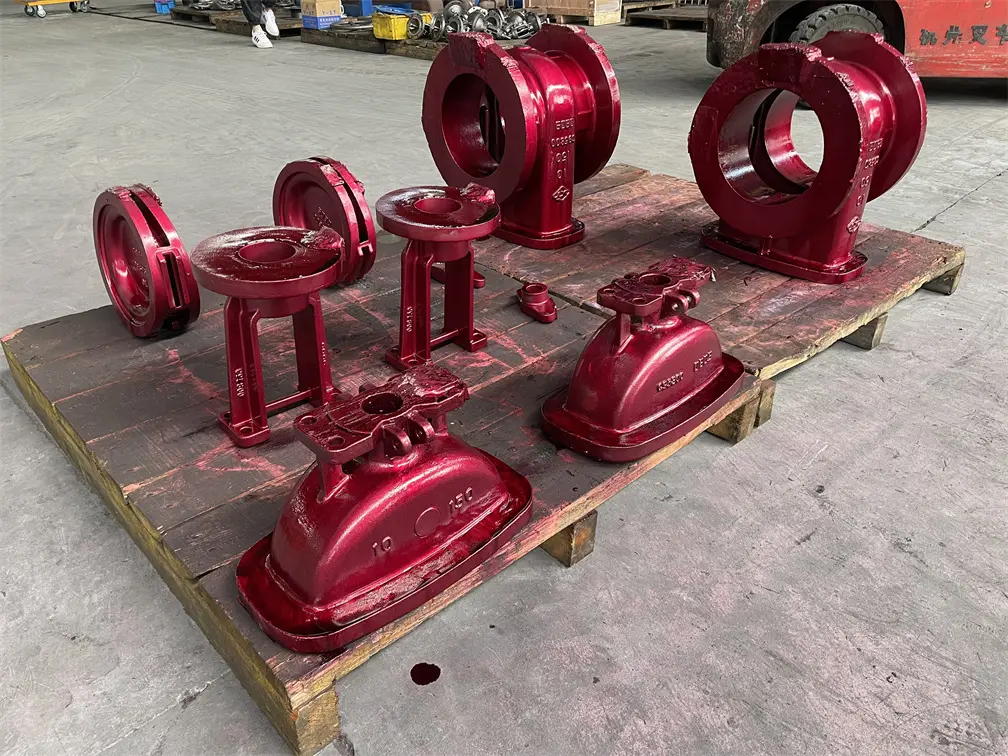
The gate valve serves as a cornerstone in fluid control systems. Check the stem position – a raised stem indicates open, while a lowered stem means closed.
The operation of the gate inside the valve is crucial, as it raises and lowers to control the flow, and proper operation is essential to avoid damage.
Modern gate valves often feature clear valve position indicators, making status checks even more straightforward.
The rising stem gate valve, in particular, allows for easy visual confirmation of whether the valve is open or closed, which is especially useful in industrial production and fluid control.
How to Check Ball Valve Position

When inspecting a ball valve, the handle position tells the whole story. The ball valve off position is unmistakable—the handle sits perpendicular to the flow direction.
For open position, the handle aligns perfectly with the pipe. This quarter turn operation is a common feature in ball valves, indicating whether the valve is open or closed.
Modern automated ball valves may include electronic indicators for remote monitoring. The lever handle is crucial in identifying the valve’s position, as its orientation—parallel for open and perpendicular for closed—clearly shows the flow status.
How to Verify Globe and Butterfly Valve Status

Globe valves require attention to both handwheel position and stem height, while butterfly valves show their status through disc alignment. Globe valves are particularly valued for their ability to provide precise flow control in water movement and gas pipelines.
Both types might include additional valve position indicators for clearer status readings in industrial applications. The importance of steady water flow is crucial in assessing the performance of globe valves, as an open valve allows for continuous and stable flow, while a closed valve stops it entirely.
How to Monitor Check Valve Operation
Check valves work automatically with flow direction, requiring no manual operation. The valve disc plays a crucial role in preventing backflow by opening and closing in response to fluid flow direction. Their position depends entirely on fluid movement—opening for forward flow and closing to prevent backflow. Check valves allow flow in one direction. Pressure gauges or flow indicators help verify proper operation. Check valves are fluid operated, relying on the flow of water or other media to move the valve’s disc.
Here’s a quick reference guide for identifying valve positions across different types:
Safe Operation Principles

System depressurization and proper PPE use are essential before any valve inspection or maintenance. Regular checks of valve position indicators help prevent operational issues and ensure system integrity.
Over-tightening valves can damage internal components, while improper operation may lead to sudden pressure releases. Additionally, over-spacing during the opening process can potentially damage the valve.
Always follow manufacturer guidelines for specific valve open and close directions. It is also important to examine the handwheel position and flow rate indicators to determine a closed valve.
Modern Valve Position Technology
Advanced industrial valves now incorporate digital position indicators and automated monitoring systems. These technologies provide real-time feedback on valve status through control room displays and mobile interfaces, enhancing operational safety and efficiency. Additionally, visual indicators, such as colored tags or markings, play a crucial role in determining the valve’s status, clearly conveying whether the valve is open or closed.
Remote monitoring capabilities allow operators to verify valve positions without physical inspection. This becomes particularly valuable in hazardous environments or hard-to-reach locations where direct observation might be challenging.

Common Troubleshooting Tips
Unclear position indicator readings can happen due to mechanical wear or environmental factors. Regular checks and maintenance help keep them accurate. Monitoring flow rate is crucial to ensure precise control and to determine whether a valve is open or closed.
- Inspect and maintain indicator mechanisms to keep readings reliable.
- Lubricate and adjust valve stem packing to prevent binding and ensure smooth movement. Proper valve operation is also influenced by the positioning and maintenance of connected pipes, as deposits in pipes can affect valve function.
Frequently Asked Questions
Q1: How can I quickly tell if a valve is open or closed?
A: The easiest way is to check the handle or stem position. For example, on a ball valve, if the handle is parallel to the pipe, the valve is open; if it is perpendicular, the valve is closed. For gate valves, a raised stem usually means the valve is open, while a lowered stem means closed. Knowing the closed position is crucial for proper flow management and ensuring the system operates correctly.
Q2: What are rising stem and non-rising stem valves?
A: Rising stem valves have a stem that moves up and down as the valve opens or closes, providing a clear visual indication of the valve position. Non-rising stem valves have a stem that rotates but does not move vertically, so position indicators or markings are often used to show valve status. This contrasts with manually operated valves like gate or ball valves, which require physical intervention to control flow.
Q3: Why is it important to know if a valve is open or closed?
A: Knowing the valve’s status ensures proper control of fluid flow, prevents leaks or backflow, and maintains safety in high-pressure or hazardous applications such as oil and gas industries. It also helps with regular maintenance and valve repair. Understanding whether a water valve is open or closed is essential for effective system management.
Q4: Can valve position be monitored remotely?
A: Yes, modern valves often include position sensors and digital indicators that allow operators to monitor valve status remotely through control systems, improving safety and efficiency.
Q5: What safety measures should be taken when operating valves?
A: Always depressurize the system before inspecting or maintaining valves, wear appropriate personal protective equipment (PPE), avoid excessive force when turning valves, and follow manufacturer guidelines for operation.
Q6: How does a check valve indicate its position?
A: Check valves operate automatically based on fluid flow direction and do not have manual handles. Their open or closed status can be inferred by observing flow or using pressure gauges and flow indicators.
Conclusion
Understanding how to check valve positions is a fundamental skill in industrial operations. Ensuring the valve is fully open to prevent potential damage is crucial. Whether you’re working with a gate valve, ball valve, or any other type, remember that most valves share similar position indicators—handle alignment, stem position, and flow direction. Valves permit flow when in the open position.
At Xintai Valve Group, we’ve spent over 20 years manufacturing high-quality industrial valves with clear, reliable position indicators. As one of Wenzhou’s largest valve manufacturers producing 270,000 valves annually, we understand the importance of easy-to-verify valve positions in daily operations.
Need help selecting valves with the right position indicators for your application? Contact our company today. Our valve specialists are ready to help you find the perfect solution..


