
High-pressure valves are integral to various industrial systems. It is designed to manage and control the flow of fluids under extreme pressure conditions. These valves are essential for maintaining safety, efficiency, and reliability in demanding environments. This guide explores the different types of high-pressure valves.
Let’s take a closer look at their applications, design considerations, and maintenance practices.
What Are High-Pressure Valves?
These are specifically engineered to handle fluids at extreme pressure. These exceed the typical operational range of standard valves. They are built to withstand significant stresses. As well as prevent leaks or failures in high-pressure systems. These valves are significant in industries such as oil and gas. Also, in chemical processing, power generation, and water treatment.
Types of High-Pressure Valves
High-Pressure Ball Valve
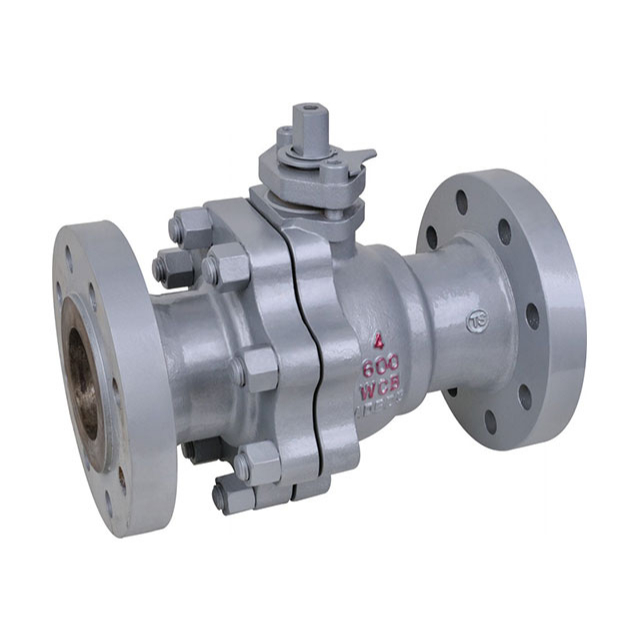
A high-pressure ball valve is designed to regulate fluid flow in high-pressure systems using a spherical ball with a central hole. This ball can be rotated 90 degrees to either fully open or close the valve. This enables a swift and reliable shut-off. High-pressure ball valves are particularly well-suited for on/off control. They are throttling in demanding environments. Such as those found in the oil and gas industry.
They are prized for their quick operation. They are built to withstand high pressures and harsh conditions. Thanks to their quarter-turn mechanism. It allows rapid opening and closing and is very durable. However, it’s important to make sure that the valve material is compatible with the fluid being handled. It is to prevent issues like corrosion or degradation.
High-Pressure Gate Valve

This pressure valve is engineered to offer a straight-line flow of fluids with minimal obstruction. It operates by lifting a gate out of the flow path to achieve either a fully open or fully closed position. Valves classified as gate valve are primarily used for on/off control in high-pressure pipelines where a complete shut-off or full flow is necessary. They are not typically suited for throttling applications due to the potential for flow turbulence.
The key advantages of high-pressure gate valves include minimal flow restriction when fully open. It provides an unobstructed path and a robust, reliable performance in high-pressure environments. However, they do have some drawbacks. This includes a slower manual operation compared to other valve types. It also needs regular maintenance to prevent issues like gate jamming.
High-Pressure Globe Valve
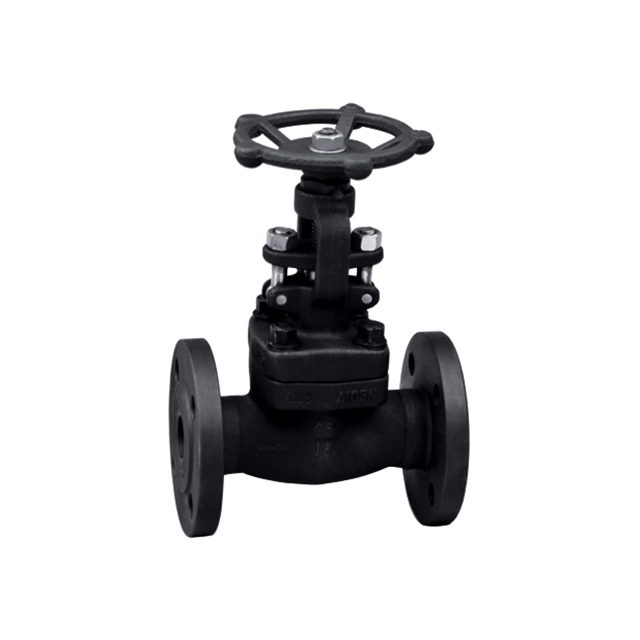
A high-pressure globe valve is equipped with a spherical body and a movable plug or disc. These components regulate fluid flow by adjusting the size of the passage. High-pressure globe valves are renowned for their ability to provide precise flow control. Which, makes them ideal for applications requiring accurate regulation. Such as chemical processing and steam systems. These valves excel in high-pressure environments where flow control and throttling are essential.
The primary advantages of high-pressure globe valves include their precision control. It enables precise flow adjustments and reliable performance under high pressure and temperature. However, they can cause a significant pressure drop due to their flow design. They are generally better suited for applications needing precise control rather than high flow.
High-Pressure Plug Valve
For the high-pressure plug valve, you’ll find a cylindrical or tapered plug with a hole. It aligns with the valve body to regulate fluid flow. By rotating the plug, the valve can be opened or closed, offering control over the flow. Plug valves are commonly used in high-pressure applications. They are used in the chemical and petrochemical industries, where a tight seal is crucial and space is limited.
The compact design of high-pressure plug valves makes them ideal for environments with space constraints. They provide a positive shut-off, ensuring a reliable seal to prevent leakage. However, they require regular maintenance to keep the plug clean and operating smoothly. They are less effective for fine flow control compared to other valve types.
Design Considerations for High-Pressure Valves
Material Selection
It is essential to select the right material for high-pressure valves. This will enable you to ensure durability and optimal performance. Common materials include stainless steel which offers excellent corrosion resistance and strength. Therefore, it is suitable for a wide range of applications.
Specialized alloys are also used to address extreme temperatures or corrosive environments. Key considerations when choosing a material include its ability to resist corrosion from the fluids being handled. You also need to consider the strength and durability to withstand high pressure without deforming or failing.
Pressure Rating
High-pressure valves are rated for specific pressure limits. So, it is critical to select a valve that meets or exceeds the system’s pressure requirements. When choosing a valve, it’s important to ensure it can handle the maximum pressure it will encounter during operation.
Incorporate safety margins in the pressure rating to account for unexpected surges and enhance system safety and reliability.
Temperature Range
The valve must function effectively within the system’s temperature range. This encompasses both high and low temperatures. When selecting a valve, consider thermal expansion. Ensure the material can handle temperature-induced expansion and contraction.
Additionally, the materials and design of the valve should be able to withstand the temperature extremes of the application. You must ensure you’ll have a reliable operation and prevent performance issues.
Leakage Prevention
Maintaining operational efficiency and avoiding safety hazards is crucial. That’s why preventing leaks in high-pressure systems should be given utmost importance. Effective leak prevention involves using high-quality seals and gaskets ensuring a reliable seal.
Conducting regular inspections and maintenance is essential. Keep sealing components in good condition and address any issues promptly. Thereby ensuring the system’s continued safe and efficient operation.
Flow Characteristics
The design of the valve significantly impacts its flow characteristics. This includes the flow path and orifice size. Select a valve design that meets the required flow rate while maintaining effective pressure control. Also, the flow path should be designed to minimize turbulence and pressure loss. It is to secure smooth and efficient fluid movement through the valve.
Applications of High-Pressure Valves
Oil and Gas Industry
They are widely used in the oil and gas industry for drilling, production, and transportation. They handle extreme pressures and harsh conditions, guaranteeing safe and efficient operation.
Chemical Processing
High-pressure valves control the flow of reactive and corrosive chemicals in chemical processing plants. Their robust construction ensures reliability and safety in demanding environments.
Power Generation
High-pressure valves are critical in power generation systems, including steam turbines and boilers. They regulate steam flow and pressure for efficient energy production and system stability.
Water Treatment
Water treatment facilities use these to manage the flow of water. It is being used in filtration systems, pumps, and other components. These valves are key to efficient and safe water treatment.
Maintenance and Inspection
It is critical to ensure the reliability and longevity of high-pressure valves. Key practices include conducting regular inspections. It is needed to identify signs of wear, corrosion, or leakage. Also, ensure that pressure relief valves are properly calibrated to operate at the intended pressure levels.
Cleaning the valves to remove debris and contaminants that could affect performance is important. Replace worn or damaged parts as needed. It helps maintain the valve’s functionality and prevents potential failures.
Choosing The Expert in High-Pressure Valves
Xintai Valve is a leading top-quality high-pressure valve manufacturer. They offer a range of solutions designed to meet the most demanding applications. They specialize in producing high-pressure ball valves, gate valves, globe valves, and butterfly valves. Making sure superior performance and reliability.
High-pressure valves are essential components in various industrial systems. It is designed to handle extreme pressure conditions safely and efficiently. Knowing the types, applications, and maintenance of high-pressure valves aids in choosing the right one for your needs.
Manufacturers like Xintai Valve ensure high-pressure systems are reliable, safe, and efficient.


