
If you’re working with pipelines—whether in oil, gas, or water—API 6D valves are probably something you’ve come across. These valves are built to meet a specific set of rules called API 6D. But unless you’re deep in the technical side, it’s not always clear what that actually means.
This article breaks down what API 6D certification is, why it matters, and what to look for when choosing certified valves.
What is a 6D Certificate?

A 6D certificate is proof that a valve meets the API 6D standard, which is set by the American Petroleum Institute (API). It outlines the minimum requirements for pipeline valves—how they should be designed, tested, inspected, and documented before use.
In simple terms, if a valve has this certificate, it means it’s been built to safely handle high-pressure pipeline systems. That includes oil, gas, water, and other industrial fluids. This certification is more than just paperwork—it’s a safeguard against leaks, pressure failures, and costly shutdowns.
Industries across the globe rely on API 6D as a trusted standard. For major infrastructure projects, using API 6D-certified valves is often a strict requirement—not just a preference. Without it, suppliers may not even qualify to bid on certain contracts, especially in oil and gas sectors.
What Does API 6D Cover?
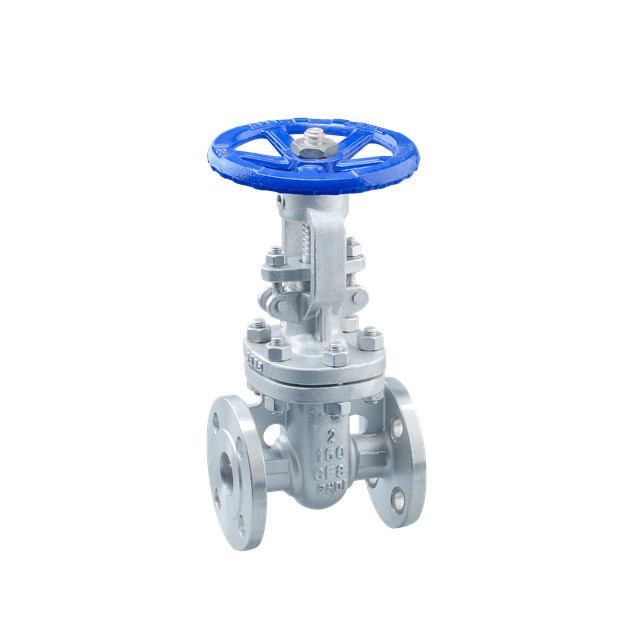
The API 6D valve specification isn’t just about one type of valve. It applies to several, including ball valves, check valves, gate valves, and plug valves. What the standard does is set the rules for how these valves should be made, tested, and documented before being used in pipelines.
Specifically, API 6D outlines requirements for things like pressure testing, material quality, valve markings, and how the valve should operate under different conditions. It also includes how inspections should be done at the factory before the product is shipped out.
To give you an idea:
- A valve must pass hydrostatic and leak tests.
- It needs proper documentation for traceability.
- Its dimensions and pressure ratings must match the spec.
So when you see API 6D ball valve or API 6D check valve, it means those products have been built and tested to follow all of these rules. For industries dealing with high-pressure or hazardous materials, this kind of assurance is critical.
For a detailed overview, you can refer to the API Specification 6D document.
Why Use API 6D Valves?
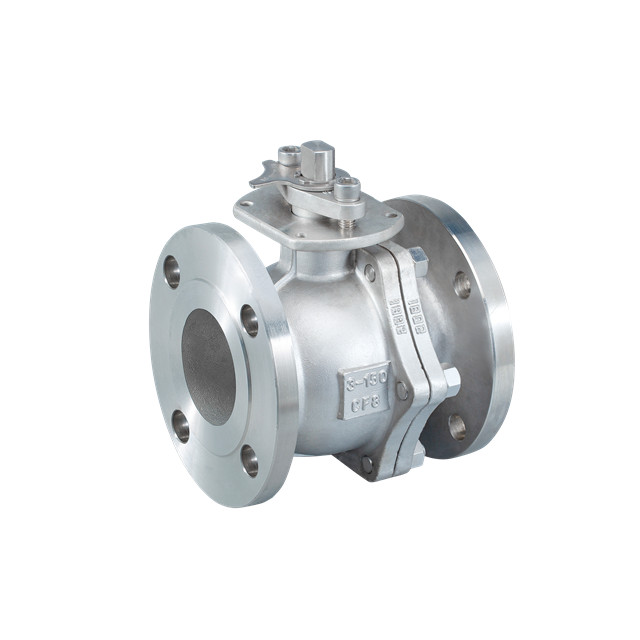
For any operation that involves pipelines—especially in oil, gas, or chemicals—valve failure isn’t just inconvenient. It’s dangerous and expensive. That’s why many engineers and procurement teams prefer API 6D valves. These valves go through a set of strict design and testing standards to make sure they can handle real-world conditions.
Here’s what makes API 6D valves worth choosing:
- Built for safety
Every valve must pass hydrostatic and leakage tests. That means fewer risks of leaks, blowouts, or system pressure failures. - Reliable documentation
Certified valves come with full traceability—who made it, when, and how it was tested. That’s a big deal when something goes wrong or an audit comes up. - Global acceptance
Many international projects won’t even consider non-certified valves. Many tenders and project bids require API 6D-compliant valves as a minimum qualification. - Longer lifespan
These valves are designed for tough conditions, so they generally last longer and need less maintenance. - Helps meet compliance
If you’re working with regulators or third-party inspectors, using API 6D-certified valves makes the whole process smoother.
In short, API 6D valves aren’t just “nice to have”—they’re often necessary if you want to play in the big leagues without putting your project at risk.
Types of API 6D Valves
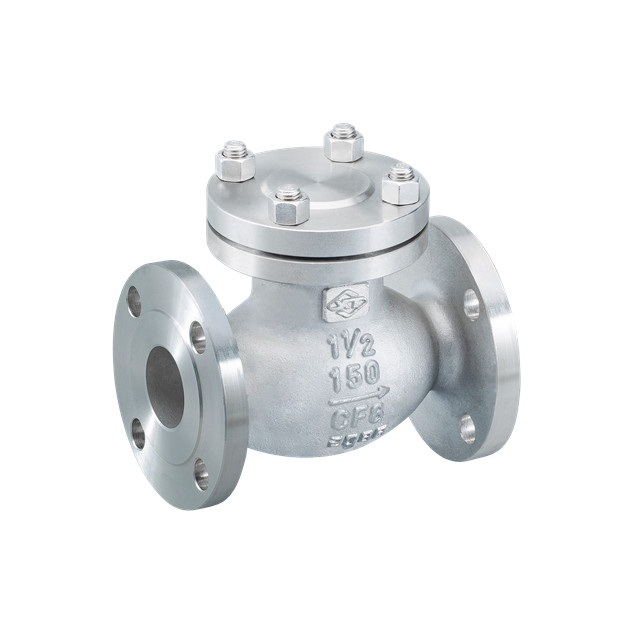
The API 6D standard applies to four main types of pipeline valves. Each one plays a specific role in how a system flows, shuts off, or protects against pressure changes. If you’re choosing valves for a project, knowing the difference can help you pick the right one for the job.
Here’s a quick breakdown:
- API 6D Ball Valve
Best for quick shut-off. Ball valves control flow using a hollow, rotating ball that opens or blocks the passage. They’re commonly used in pipelines where tight sealing and low-pressure drop are important. They’re ideal for on/off control, especially in gas transmission systems.
- API 6D Check Valve
These valves stop the flow from reversing—essential for protecting pumps and other equipment. They open when fluid flows in the right direction and close when it starts to reverse, preventing backflow. - API 6D Gate Valve
Used when full flow is needed. Gate valves function by raising or lowering a flat barrier to start or stop fluid movement. They’re best suited for fully open or closed flow and are commonly used to isolate sections in large-diameter pipelines. - API 6D Plug Valve
These have a cylindrical or conical “plug” that rotates to control flow. They’re compact and work well for systems where space is limited and fast shutoff is needed.
If you’re sourcing any of these valves, make sure they’re certified—and from a trusted manufacturer. You can check out Xintai’s full valve collection here, which includes all major API 6D types for industrial use.
Need a reliable valve supplier for projects in energy, chemicals, or water systems? Look no further than Xintai Valve Group. Contact us for more info today!


