
An API 600 gate valve is a heavy-duty bolted bonnet steel gate valve built for high-pressure, high-temperature isolation service in oil refineries, petrochemical plants, and power generation facilities. The standard covers cast steel gate valves from NPS 2, or nominal pipe size 2 inches, through NPS 48.

What the API 600 Standard Actually Covers
API 600, formally titled Steel Gate Valves: Flanged and Butt-welding Ends, Bolted Bonnets, is currently in its 13th edition, published in 2015. Butt-welding ends means the valve is welded directly into the pipeline rather than bolted via flanges, which provides a more secure connection in high-pressure service.
It sets minimum design, material, dimensional, and testing requirements for cast steel gate valves in severe service. The standard is written for full-port, heavy-wall designs with large stem diameters, built to handle corrosion and erosion in refinery environments where lighter valve designs fall short.
What the API 600 Gate Valve Specification Covers in Practice
Construction follows the bolted bonnet, outside screw, and yoke configuration. OS&Y, as it is commonly abbreviated, means the stem threads are exposed above the handwheel, giving visible confirmation of valve position at a glance.
In high-pressure environments, that visible position indicator removes the risk of operating a valve under a wrong assumption about its status.
The API 600 gate valve specification covers the following parameters:
- Size range from NPS 2 to NPS 48, with some designs reaching NPS 60 to 72
- Pressure classes from Class 150 through Class 2500, where higher class numbers indicate higher maximum allowable pressure
- Flanged end dimensions to ASME B16.5, the standard governing flange dimensions and ratings for sizes up to 24 inches, and ASME B16.47 above 24 inches
- Face-to-face dimensions to ASME B16.10, which sets the end-to-end measurements for flanged and butt-welding ends
- Pressure testing to API 598, covering hydrostatic shell tests that verify the valve body holds pressure without leaking, and high-pressure seat closure tests
- Fugitive emissions compliance to API 624 and ISO 15848-1, limiting stem leakage to under 100 ppm to meet environmental regulations
API 600 sits alongside several related gate valve standards, each covering a different scope. This guide to API 600 gate valve specification requirements and how they compare to API 602, 603, and 6D covers where each standard applies and what distinguishes them.
Which Materials and Trim Grades Does API 600 Specify?
Material selection follows the service condition. ASTM A216 WCB cast carbon steel handles general service. ASTM A217 WC6 and WC9 alloy steel are specified for high-temperature applications.
ASTM A351 CF8M stainless steel covers corrosive media. For more aggressive environments, Monel, Inconel, and duplex stainless steel fall within the standard’s scope.
Trim materials covering the seats, disc, and stem are hard-faced with Stellite 6 or 13Cr. Stellite is a cobalt-chromium alloy that resists wear and galling under high-temperature flow.
The trim grade determines how long the valve holds its seal between maintenance intervals. Matching it to the process media matters as much as matching the body material grade.
API 600 Gate Valve Dimensions: What to Know Before You Design
Dimensional requirements follow ASME B16.10 for face-to-face lengths. These vary by pressure class and nominal pipe size, and confirming them early prevents conflicts during installation.
Common reference dimensions for flanged RF ends:
- 4 inch Class 150: 229mm face-to-face
- 4 inch Class 600: 305mm face-to-face
- 6 inch Class 150: 267mm face-to-face
- 6 inch Class 600: 403mm face-to-face
For the final piping design, an Api 600 gate valve dimensions PDF from the specific manufacturer is necessary. Individual manufacturers hold slightly different tolerances and handwheel heights within the standard’s allowances.
API 600 gate valve dimensions also specify minimum stem diameters. These run intentionally larger than standard industrial valve stems to handle the operating torque that large-bore high-pressure service demands.
Why API 600 Gate Valves Are Specified for Severe Service
Thick wall construction provides a higher corrosion allowance than lighter alternatives like API 603. This gives the valve body more material to lose before structural integrity becomes a concern.
Metal-to-metal seating with Stellite hard-facing holds a bubble-tight seal through repeated thermal cycling. The full-port bore keeps the pressure drop minimal when the valve is fully open.
The bolted bonnet allows in-line disassembly without removing the valve from the pipeline. The flexible wedge accommodates seat misalignment from thermal deformation, preventing the binding that solid wedge designs develop under sustained heat.
How API 600 Compares to API 602, API 603, and API 6D
The three related standards each cover a distinct scope. Selecting the wrong one for a given application creates compliance and performance problems.
API 602 covers compact forged steel gate, globe, and check valves in sizes NPS 2 and below. It does not address the large-bore cast designs that API 600 covers.
API 603 applies to corrosion-resistant stainless steel gate valves in Class 150 and 300 with thinner walls. For chemical processing where corrosion resistance outweighs pressure capacity, API 603 applies. Refinery-grade high-pressure service calls for API 600.
API 6D covers pipeline valves with through-conduit designs and pigging capability. Where API 600 serves process plant isolation, API 6D serves mainline pipeline service with fundamentally different design priorities.
Where API 600 Gate Valves Are Used in Industry
These valves appear wherever high pressure, high temperature, and corrosive or erosive media combine:
- Crude oil processing units, hydrotreaters, and catalytic crackers in refineries
- Ethylene, aromatics, and high-temperature chemical handling in petrochemical plants
- Main steam lines, boiler feedwater systems, and auxiliary piping in power generation
- Mainline shutoff and emergency protection systems on offshore platforms
How to Maintain and Replace an API 600 Gate Valve

Proper maintenance and careful replacement sourcing determine how long an API 600 gate valve performs between interventions.
Routine Maintenance
An Api 600 gate valve manual from the valve manufacturer covers the specific torque values, packing adjustment procedures, and lubrication intervals for that design.
Stem threads and yoke bush need lubrication every three months. Packing needs regular adjustment to maintain low-emission performance.
Seat rings need inspection for wear at planned shutdown intervals. For high-temperature applications, parallel slide gate designs are preferred since the parallel slide eliminates the wedging action that causes thermal binding when metal expands under heat.
Api 600 Gate Valve Replacement
When sourcing an Api 600 gate valve replacement, the pressure class, trim material, and API monogram certification all need to match the original specification.
Substituting a different trim grade changes erosion resistance and service life in ways that may not appear until the next planned inspection. For Class 900 and above, a pressure seal bonnet design is typically used since bolted bonnets become impractical at those pressure levels.
Api 600 Gate Valve Price
Api 600 gate valve price varies significantly by size, pressure class, material grade, and trim specification. A quoted price requires a full specification, including size, class, material, trim, end connection type, and any special requirements such as fugitive emissions testing or fire-safe certification.
API 600 Standard PDF and Where to Find It
The official current version is the 13th edition, published in 2015, available through the API Publications Store and authorized distributors, including IHS Markit.
An API 600 standard PDF free download of the current edition requires a licensing fee from API. Older editions from 1997 and 2001 are available through various repositories for background on historical design requirements.
The IOGP S-611 Supplementary Specification from 2023 defines additional procurement requirements supplementing the 13th edition. It is freely available through the International Association of Oil and Gas Producers.
For those searching for an API 600 gate valve PDF covering technical drawings and dimensional tables, manufacturer documentation is the most practical source. Most API 600 manufacturers publish technical catalogues with dimensional data and material certificates for their specific designs.
Xintai API 600 Cast Steel Gate Valves
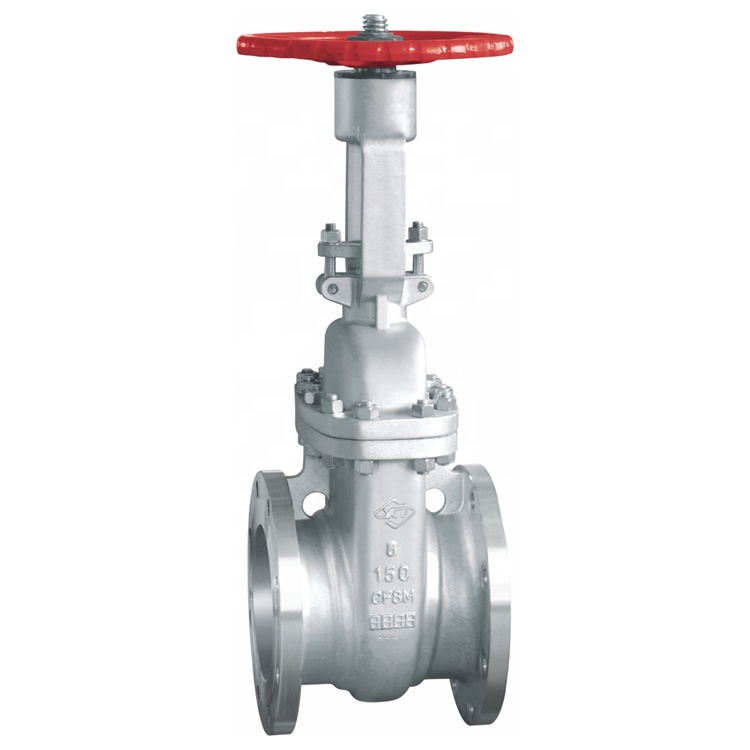
Xintai Valve Group has supplied API 600 gate valves to oil and gas, petrochemical, power generation, and water treatment industries since 1998. Projects include Petronas, Petrobras, Saudi Aramco, PARCO, and Repsol YPF across more than 50 countries.
The engineering team includes 58 technical and engineering personnel across six manufacturing bases. Production runs to 270,000 valves annually, with CNC machining centers handling precision work on sealing faces and foundry operations pouring molten iron at above 1,500°C for casting integrity.
Certifications include API No. 6D-1778, ISO 9001:2015, CE, OHSAS 18001, and PED Assessment Reports covering pressure equipment directive requirements for European markets. Every valve ships with a full API 598 inspection report, with an independent inspection company running a second check before shipment.
Xintai’s API 600 cast steel gate valve, available in WCB, WC6, WC9, and CF8M across Class 150 to Class 2500, covers configurations for sour service, fugitive emissions compliance, and fire-safe certification. If you are specifying an API 600 gate valve or sourcing a replacement, get in touch with our team, and we will work through the specification with you.

Customize the perfect valve for your project! Get a quote and explore our custom options.


