
Mining is tough on equipment. The fluids are abrasive, the pressure is high, and the systems rarely get a break. That’s why mining valves play such a critical role. Whether it’s moving slurry, managing leaching fluids, or handling tailings, the right valve keeps the operation running and protects everything downstream.
But not all valves are built for mining conditions. From chemical exposure to constant wear and tear, these systems need rugged, low-maintenance solutions that won’t quit under pressure.
In this article, we’ll break down where valves are used in the mining industry, which types are best for each task, and how to choose ones that last.
Where Valves Fit into Mining Operations
In mining, flow control isn’t just important—it’s essential. Valves are used at nearly every stage, from separating ore to managing wastewater. Without them, you can’t move materials, isolate problem areas, or protect pumps and pipelines from damage.
The valves for mining industry applications need to do more than just open and close. They need to handle:
- Thick slurries full of solid particles
- Corrosive chemicals used in leaching and processing
- High-pressure systems that run nonstop
- Harsh environments with dirt, moisture, and vibration
When a valve fails in a mining setup, it’s not just a repair job—it can shut down part of the operation and cost serious money. That’s why choosing the right valve upfront matters.
Common Uses for Mining Valves
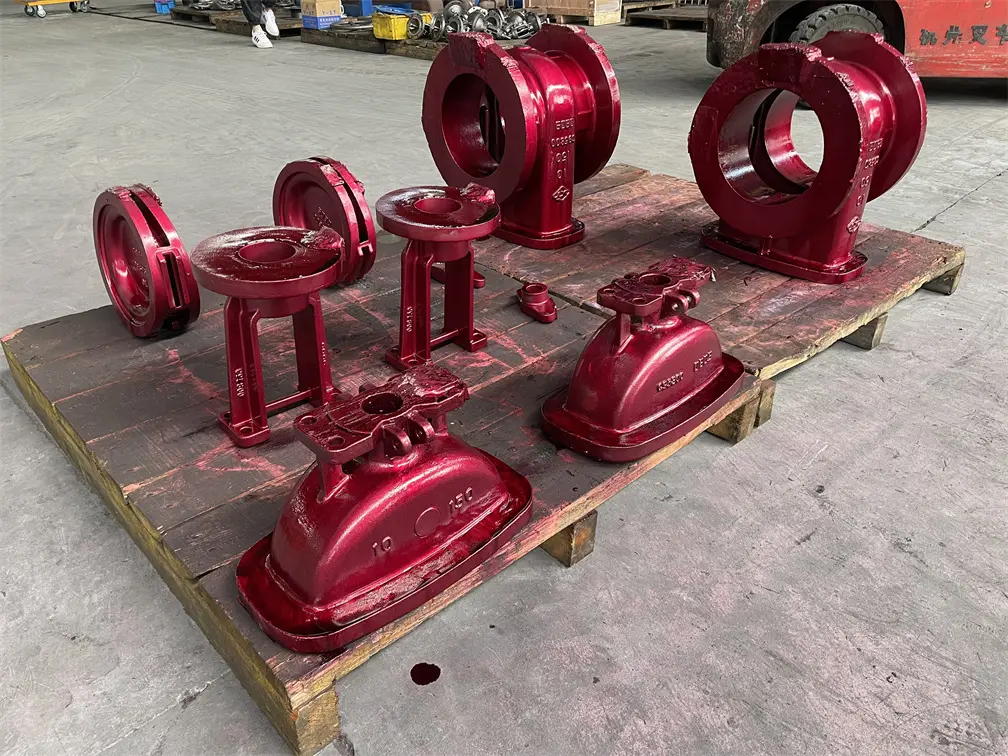
The mining process involves more than just digging and hauling. Fluids—both clean and dirty—play a big role in separating materials, transporting waste, and keeping systems running smoothly. That’s where mining valves come in.
Here are some of the most common places you’ll find them:
- Ore processing
Valves help control the flow of water, chemicals, and crushed material through separation and concentration systems. - Slurry handling
Thick, abrasive slurries are hard on equipment. Specialized valves keep that flow under control without clogging or wearing out too fast. - Leaching systems
These systems use acid or cyanide to extract minerals. The valves here need to resist corrosion and chemical damage. - Dewatering and drainage
Removing excess water from mine sites relies on valves that can handle both clean and sediment-heavy water. - Tailings management
Moving waste slurry to tailings ponds or storage facilities requires durable valves that won’t fail under constant abrasion. - Powder and concentrate transfer
In dry material handling systems, valves help control the flow of fine, powdery product without leakage.
Each of these steps depends on valves designed to match the fluid, pressure, and operating conditions. Using the wrong type can lead to breakdowns and costly delays.
Types of Valves Used in Mining

Selecting the right valve is crucial in mining operations due to the challenging conditions such as abrasive slurries, corrosive chemicals, and high-pressure systems. Here’s an overview of commonly used valves in the mining industry:
- Ball Valves: Known for their durability and tight sealing capabilities, ball valves are used for on/off control in various mining processes. They can handle high-pressure systems and are effective in applications where quick shutoff is necessary.
- Check Valves: These valves prevent backflow, protecting pumps and compressors from potential damage. They are essential in maintaining unidirectional flow in systems where reverse flow could be detrimental.
- Butterfly Valves: Lightweight and cost-effective, butterfly valves are used for regulating flow in large-diameter pipes. They are suitable for water distribution and other applications where space and weight are considerations.
- Plug and Pinch Valves: These valves are effective in handling corrosive and abrasive fluids. Pinch valves, in particular, are suitable for applications involving slurries and powders, providing a full bore flow path and minimal pressure drop.
Each valve type serves specific functions and is selected based on factors like the nature of the media, pressure and temperature requirements, and maintenance considerations.
Choosing the Right Valve: What to Consider
Not all mining valves are created equal. What works well in one part of the process might fail quickly in another. Choosing the right valve comes down to matching the valve design with the actual working conditions onsite.
Here are the key factors to think about:
- Media type
Slurry, corrosive chemicals, and dry concentrates all require different valve materials and internal designs. For example, knife gate and pinch valves handle slurry well, while ball or plug valves are better for clean fluids or gases. - Pressure and temperature
High-pressure systems, especially in dewatering or chemical dosing, need valves built to handle the load without leaking or degrading. - Maintenance and downtime
Some valves are easier to repair or replace than others. In remote mining locations, reducing the time it takes to service a valve can save thousands. - Valve coatings and materials
Options like rubber linings, stainless steel bodies, or ceramic trims help extend valve life—especially in areas with heavy abrasion or corrosion.
Making the right choice upfront reduces wear, improves reliability, and saves you from dealing with emergency shutdowns.
Why Xintai Valves Are Built for Mining
Xintai understands the demands of mining. Their mining valves are built to handle abrasive slurries, corrosive fluids, and non-stop pressure without breaking down. With a wide range of valve types—knife gate, ball, check, butterfly, and more—Xintai offers durable, tested options for every stage of a mining operation.
Each valve is designed with tough materials, precise sealing, and easy maintenance in mind—so your team spends less time on repairs and more time on production.
Explore Xintai’s full range of mining-ready valves today.


