
Whether traversing global supply chains or connecting critical processes, industrial valves play a crucial role across oil & gas, chemical, power generation, and other industrial sectors. But with so many types and specifications out there, how can you ensure you choose the right valve? That’s where API standards come in.
- API sets technical standards for valves and other equipment
- Major API standards help select ideal valves for the application
- Differences in standards involve materials, design, testing, and uses
You’ll often see “API” used to denote valve materials, testing methods, pressure classes, end connections, and operability in hazardous environments. With billions of dollars at stake in capital projects and operations, following API guidelines helps balance utility, safety and cost when specifying your plant’s valves.
What is API?

API stands for the American Petroleum Institute, an organization that develops industry standards for equipment used in oil and gas operations.
These standards ensure that API valves meet performance and safety expectations across various applications.
Facilities and manufacturers rely on these valve standards to select reliable equipment that meets industry requirements.
Although originally created for the petroleum sector, API standards are now recognized as international standard valve benchmarks across different industries. Mechanical engineers rely on these standards, along with those from organizations like ANSI, to ensure proper valve design, material selection, and safety compliance in industrial applications.
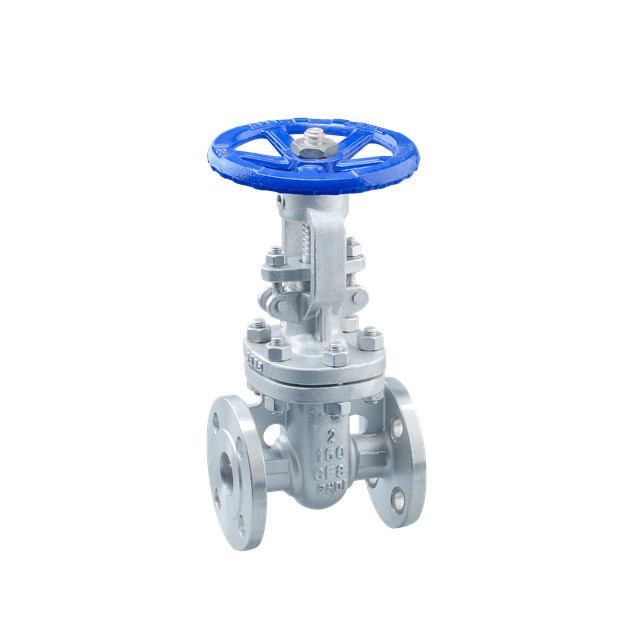
Key API Standards for Valves
Here are a few key API standards for industrials valves:
| API Standard | Valve Types | Key Applications | Main Focus and Requirements |
|---|---|---|---|
| API 6A | Gate, Ball, Check, Plug Valves | Wellhead and production tree equipment | High pressure sealing, stem packing, bolting, sealing, testing, and dimensional interchangeability for offshore oil and gas platforms |
| API 6D | Gate, Ball, Check, Plug Valves | Pipeline valves for petroleum and natural gas industries | Material strength, testing methods, pressure/temperature ratings, markings, and manufacturer qualification |
| API 527 | Pressure Relief Valves | Refineries, pipelines, oil tanks | Seat tightness testing to ensure proper reseating after pressure relief events |
| API 598 | Various industrial valve types | Factory acceptance, production testing, in-situ maintenance | Inspection, testing, and certification procedures including seat leakage and pressure rating tests |
| API 594 | Check Valves (flanged, lug, wafer, butt-welding ends) | Industrial piping systems | Body, bonnet, disk design specs, materials, and face-to-face dimensions for installation and replacement |
| API 600 | Bolted-bonnet Gate Valves | Industrial applications requiring high pressure containment | Material quality, tolerances, testing methods, markings, manufacturing procedures, sizes 2″ to 36″ |
| API 607 | Ball, Plug, Butterfly Valves (fire tested) | Flammable or combustible fluid services | Fire test standard ensuring valve integrity and safety during extreme fire conditions |
| API 608 | Floating and Trunnion-mounted Ball Valves | Pipeline, refining, chemical plants | Valve body, seat, seal, ball materials, port geometry, testing methods, pressure/temperature ratings |
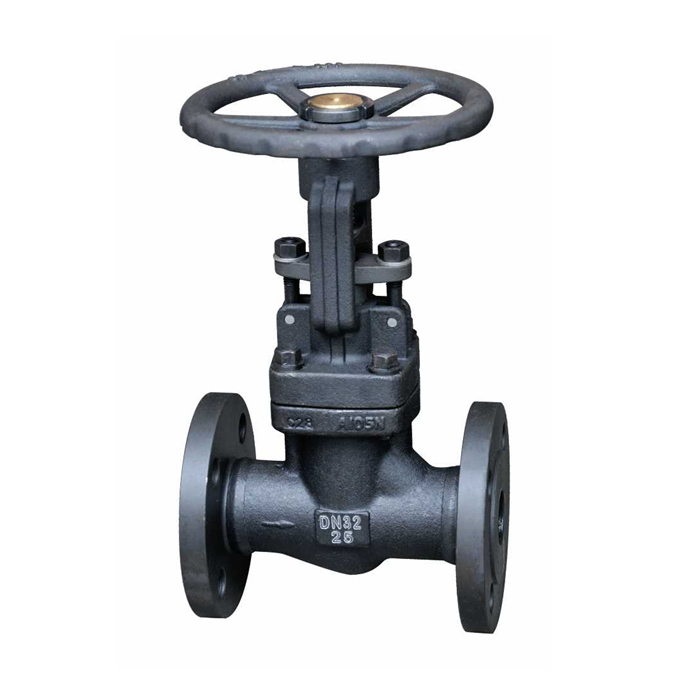
API Standards – Key Differences
Here are some differences between different API standards for valves:
- API 600 vs API 603
While API 600 and 603 both apply to steel gate valves, API 600 concentrates on rising-stem configurations with bolted bonnets specifically.
Meanwhile, API 603 covers bonnetless valve designs using seal welds instead of gaskets/bolts for pressure retention.
In essence, API 600 handles standard bolted bonnet gate valves while API 603 certifies specialized welded pressure seal gate valves.
- API 600 vs API 594
A core difference is that API 600 only covers steel gate valve specifications irrespective of valve type or design.
On the other hand, API 594 sets standards exclusively for check valve configurations regardless of the body material used.
Although both are critical API standards, API 600 strictly deals with gate valves which isolate via movable discs while API 594 focuses purely on enabling one-direction flow control via check valves.
- API 608 vs API 6D
Both API 608 and API 6D are very applicable to valves used in oil/gas pipelines.
However, API 608 majorly specializes in intricate quality and testing requirements for metal ball valves specifically.
API 608 ball valves are typically used in factory-prepared, high-pressure environments where ease of installation and maintenance are critical.
Whereas API 6D acts as an overarching standard for all gate, ball, check and plug valves used in pipelines irrespective of materials or design.
So API 608 deeply focuses on metal ball valves while API 6D serves as a broad process valve standard.
XINTAI VALVE——Reliable API-certified Valves Manufacturer

Xintai Valve is a trusted and reliable manufacturer of API-certified valves, committed to delivering top-quality products that meet stringent industry standards.
Holding official API certification, Xintai Valve ensures every valve is manufactured with precision, durability, and superior performance tailored for demanding oil and gas applications.
Our expertise in API valve standards sets us apart, offering a broad range of valves that excel in safety, reliability, and compliance.
With decades of experience and a strong focus on innovation, Xintai Valve is your go-to partner for dependable API valves that support critical industrial processes worldwide.
Frequently Asked Questions (FAQ)
1. Which API standard applies to fire-tested valves?
API 607 is the standard that applies to fire-tested valves such as ball, plug, and butterfly valves, ensuring they maintain integrity and safety during fire hazards.
2. Can API standards be used outside the oil and gas industry?
Yes, while API standards originated in the petroleum industry, they are widely recognized and used internationally across chemical processing, power generation, water systems, and other sectors.
3. How do API standards help with valve selection?
API standards provide clear guidelines on materials, design, pressure ratings, testing, and performance, helping engineers and purchasers select valves that meet the specific needs of their applications safely and reliably.
4. Are API valves tested before installation?
Yes, API standards such as API 598 specify inspection and testing procedures including seat leakage and pressure tests to ensure valves meet quality and safety requirements before use.
Conclusion
When it comes to specifying valves for critical applications, adhering to trusted API standards is crucial for balancing performance, safety, and cost. By outlining stringent manufacturing and testing qualifications for various valve types, materials, pressure classes, and sizes, API removes guesswork and risk from the equation.
Partner with Xintai Group, a leading ISO-certified valve manufacturer with decades of experience supplying API-compliant valves to oil & gas facilities globally. Contact our application engineers to pinpoint the perfect API valves for your needs.


