
With processing plants containing thousands of pipes, vessels, and valves, following consistent dimensional and test qualification standards is crucial. ASME B16.34 is one of the foremost valve specification standards enabling reliability across industrial flow control applications.
- ASME B16.34 is a key standard for sizing, designing, and testing valves
- It covers materials, dimensions, ratings, testing for various valve types
- Compliance ensures interchangeability and safety across industries
Developed by the American Society of Mechanical Engineers (ASME)[1], this standard aims to drive quality, efficiency and safety by facilitating appropriate valve installation and replacement. Going beyond just valve construction, it also considers integration within piping systems, particularly concerning flange end ball valves.
Introduction to ASME B16.34
First published in 1927, ASME B16 has undergone multiple revisions over 90+ years by industry experts across oil and gas, chemical, power and other sectors. One of its standard “ASME B16.34” compiles universally recognized specifications for critical valve types, including:
For more information on the 9 types of industrial valves, explore the detailed guide by XINTAI VALVE GROUP CO., LTD.
The standard outlines dimensions, materials, designs, pressure ratings, and testing procedures to create consistency. By providing stringent qualification benchmarks, ASME B16.34 compliance certifies suitability for various corrosive, hazardous, high-pressure applications.
Key Components of ASME B16.34 Standard
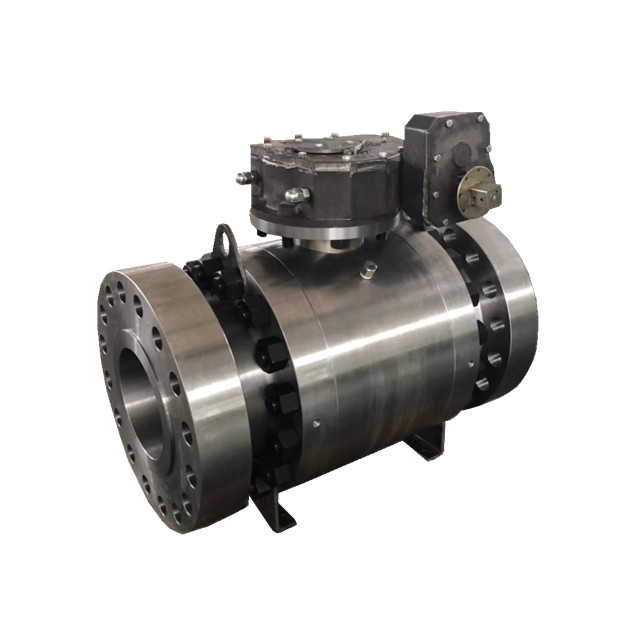
ASME B16.34 establishes comprehensive requirements for industrial valve manufacturing and testing. These requirements ensure consistent quality and performance across all valve types and applications.
Material Selection and Classification
The standard defines specific material groups based on chemical composition and mechanical properties. Each material group has designated pressure-temperature ratings suitable for different service conditions.
| Material Group | Types | Common Applications |
| Carbon & Low-Alloy Steels | A216 WCB, A105 | General Service |
| Stainless Steel | 316, 304, Duplex | Corrosive Service |
| Special Alloys | Nickel, Chrome | High Temperature |
Manufacturing and Testing
ASME B16.34 mandates specific manufacturing processes:
Casting Requirements
All valve castings must undergo radiographic testing for critical areas. Wall thickness measurements ensure minimum requirements are met across all sections. Heat treatment records must be maintained for material traceability.
Forging Specifications
Forged components require specific grain flow patterns. Ultrasonic testing validates internal integrity. Material certification documents must accompany all forged components.
Welding Procedures
Only qualified welders can perform valve body welds. Each procedure requires qualification testing. Post-weld heat treatment is mandatory for specific materials and thicknesses.
Heat Treatment Protocols
Heat treatment procedures must follow strict temperature controls and holding times. Solution annealing of stainless steels requires precise temperature ranges. Stress relieving is mandatory after major repairs to prevent material fatigue.
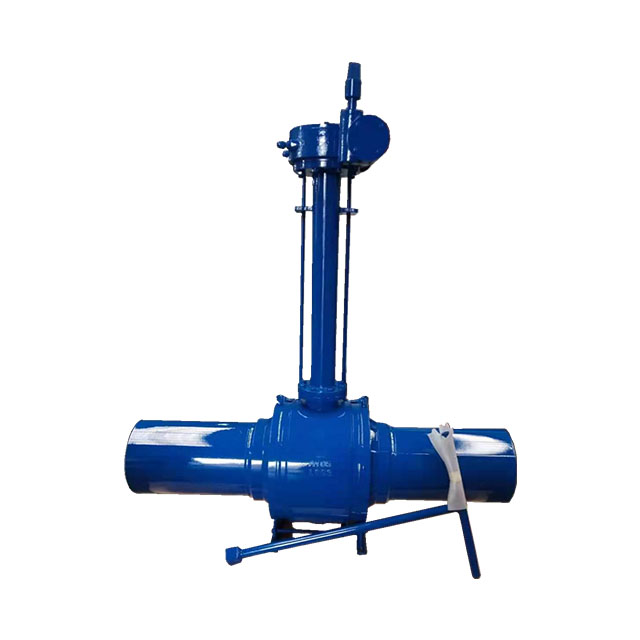
Testing Requirements
Every valve manufactured under ASME B16.34 must undergo rigorous testing before release. These tests validate performance and safety across operating conditions.
- Shell testing protocol: Shell tests verify the valve body’s pressure containment capability. Tests must be conducted at 1.5 times the 100°F pressure rating with a minimum 15-minute hold time. No visible leakage is permitted during testing.
- Seat testing standards: Seat tests ensure proper sealing performance. Tests are conducted at 1.1 times the rated pressure. Different valve types have specific allowable leakage rates defined by the standard.
- Supplementary testing: Additional tests apply for special service conditions. This includes cryogenic testing, fire testing per API 607, and fugitive emissions testing.
- Quality documentation: All test results require detailed documentation. Records must include test parameters, results, date of testing, and inspector verification.
Pressure-Temperature Ratings

Pressure-temperature ratings define safe operating limits for each valve class and material group.
Standard Class Ratings
Class 150 through 4500 valves must meet specific pressure capabilities. Ratings tables provide maximum allowable pressures based on operating temperature.
Material Group Considerations
Different material groups have distinct rating tables. For example, Group 1.1 carbon steel has different capabilities than Group 2.2 stainless steel.
Temperature Limitations
Each material has specific temperature limits. Some materials like A352 Grade LCC shouldn’t be used above 650°F, while others can handle higher temperatures.
Special Class Requirements
Special class valves offer enhanced pressure capabilities. These require additional testing and specific markings to indicate upgraded status.
Marking and Documentation

Proper marking and documentation form a crucial part of ASME B16.34 compliance, ensuring valve traceability and verification throughout its service life.
Required Valve Markings
Each valve must carry permanent markings per MSS SP-25 standard. This includes the manufacturer’s name, material specifications, pressure class rating, and size in NPS. Compliant valves must show the “B16.34” designation, while special class valves need the “SPL” suffix.
Special Service Markings
Specific applications require additional identification for safety. This includes cryogenic temperature ratings, flow direction arrows, and maximum pressure ratings at 100°F. Each valve also needs a unique serial number for traceability.
Documentation Requirements
Essential documentation includes material test reports, pressure test certificates, and heat treatment records. For special processes, manufacturers must maintain non-destructive examination reports and welding procedure qualifications.
Quality Control Records
Manufacturers track production through detailed quality records. These include batch numbers, inspection results, test outcomes, and repair documentation. Final inspection certification ensures complete compliance verification.
B16 Valve Classifications
Pressure classifications range from Class 150 to Class 4500, determining operating limits for safe valve operation. Each class designation relates to the pressure rating at 100°F, serving as the baseline for temperature adjustments.
Material groups significantly affect pressure-temperature ratings. For example, Group 1.1 carbon steel valves have different capabilities than Group 2.2 stainless steel valves at elevated temperatures.
Common pressure classes include:
- Class 900 and above: Severe service conditions
- Class 150: Standard industrial service
- Class 300: Medium pressure applications
- Class 600: High pressure systems
Benefits of ASME B16.34
ASME B16.34 has numerous benefits, including:
- Reliability and Safety
By containing stringent design, material, and testing requirements, the ASME B16.34 standard ensures valves withstand high temperatures, pressures, and hazardous fluids across industrial applications. Compliance certifies resilience against corrosion, erosion, and leakage, even under excessive cycling or abrasive service conditions. This prevents valve failures leading to plant disasters, enhancing reliability and safety.
- Optimized Maintenance
With standardized ASME B16.34 valve dimensions, replacement valves are easily installed between existing piping flanges without modifications. This allows quick valve changeouts during shutdowns or outages to minimize maintenance costs and production losses from extended downtime. The dimensional interoperability also enables stocking standardized spare valves onsite to expedite maintenance needs.
- Interchangeable Supply Chain
Global valve manufacturers and suppliers conforming to ASME B16.34 guarantee interchangeability. Plant operators and engineers can source equivalent valve designs from alternate vendors since compliance certifies meeting identical specifications. This prevents vendor lock-in and hefty customization fees when requiring valve replacements or additional stock.
- Simplified Valve Selection
The specifications around materials, pressure ratings, and configurations consolidated in ASME B16.34 simplify the valve selection process for specific applications. Rather than complex customization, engineers can easily determine suitable valves for services across chemical plants, LNG terminals, offshore rigs, and pipelines based on location specifics by relying on B16.34 standards during procurement.
Applications of ASME B16.34 Valves

Here are some common applications leveraging valves compliant with ASME B16.34:
- Oil Refineries
Oil refineries contain thousands of gate, ball, check, and plug valves across crude units, hydrocrackers, reformers, fractionators, and cokers. B16.34 facilitates procuring specialized valves to handle high temperatures, pressures, and continuous flows of corrosive feedstocks. Compliance also enables quickly swapping standardized valves during shutdowns to minimize production losses.
- LNG Facilities
Cryogenic gate, ball, and check valves meeting ASME B16.34 serve critical roles across LNG loading/unloading, liquefaction, storage, and regasification. The stringent leak and cryogenic testing ensures resilient ultra-low temperature service down to -260°F without embrittlement failures. Compliance also standardizes flange dimensions for quick valve replacements.
- Pipeline Transfer Stations
Transfer stations regulating multifuel movement across transmission pipelines utilize high-pressure ball, plug, and check valves certified by B16.34. Compliance validates meeting stringent fugitive emissions standards needed across gas pipelines and water pipelines traversing environmental areas.
- Petrochemical Plants
Valves for critical services linking reactors, crackers, separators, and distillation columns in petrochem plants carry ASME B16.34 marking. Compliance guarantees reliable pressure sealing needed when handling volatile intermediates at high temperatures. Standardization also simplifies maintenance with interchangeable spares, minimizing shutdown losses.
Frequently Asked Questions
What’s the difference between standard and special class ratings?
Special class offers higher pressure capabilities at elevated temperatures, requiring additional testing and specific markings.
How often should valves be pressure tested?
Initial testing occurs during manufacturing, with additional tests required after major repairs or modifications.
Can ASME B16.34 valves be used in all applications?
While widely accepted, some applications may require additional standards like API specifications or special testing.
Conclusion
Adhering to ASME B16.34 ensures valves reliably handle pressurized fluids and gasses, prevent leakage, and simplify maintenance needs across critical industries. By standardizing materials, designs, and dimensions and stringent testing, compliance with B16.34 minimizes plant risks and downtime losses.
Contact Xintai’s application engineers to select optimized ASME B16.34 conformant valves for your unique demands to drive operational excellence.


