
Replacing a butterfly valve generally costs between $150 and $1,500. This varies based on the size, material used, and type of butterfly valve, whether a small industrial/pneumatic butterfly valve or a big water-treatment butterfly valve. This cost is increased by an additional charge of $100 to $400 in most cases.
In procurement or engineering perspective, assessment of the butterfly valve price involves consideration of several factors, including size and materials used.
This article helps buyers analyze the real costs to help them source valves at fair prices.
What Determines Butterfly Valve Replacement Cost

Before buying replacement parts or scheduling maintenance, it helps to understand several factors that affect the cost.
As you upgrade the features of an industrial valve, each new feature multiplies the cost of the others. Thus, you have to carefully evaluate each scenario before deciding on installation.
For example, a large valve with an electric actuator and full certification costs far more than a small unit.
Below are the factors that you need to consider:
- Valve size: larger diameters need more material and machining time.
- Body material: cast iron, ductile iron, stainless steel, or PVC.
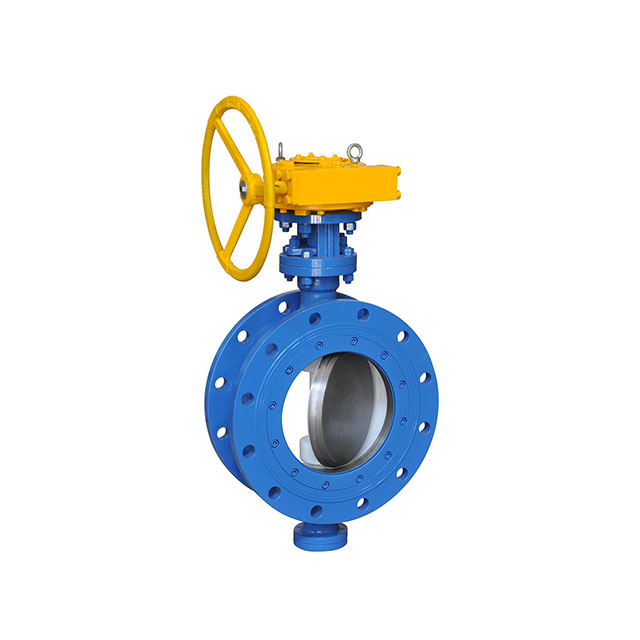
- Valve type: concentric, lug-style, or double-flanged body designs.
- Actuation: manual lever versus pneumatic or electric actuator.
- Certifications: API 609 or ISO 5752 compliance can add cost.
- Labor: pipe size and site access affect installation time.
Evaluating Butterfly Valve Price by Size
Size is the single biggest determinant of cost. Here is what buyers can expect across common pipeline diameters:
For smaller process lines, the 4-inch butterfly valve price usually falls between $80 and $300 for standard cast iron models. A 4” PVC butterfly valve often costs less, ranging from $40 to $120. This makes it popular for water treatment and low-pressure systems.
Buyers also ask about the 4-inch butterfly valve flange cost separately. Flange adapters or lugged bodies can add $20 to $60, depending on material and pressure rating. Wafer-style bodies sit between pipe flanges and need no separate flange purchase.
On the larger end, the 12-inch butterfly valve price ranges from $800 to $3,000 for industrial-grade valves. Installation for this size often requires rigging equipment and two technicians. This adds several hundred dollars in labor cost alone.
For multi-valve projects, request a full butterfly valve price list from your supplier. This helps procurement teams compare unit costs across sizes and materials in one document. It also speeds up budget approval for plant-wide replacement programs. Xintai Valves publishes a current butterfly valve product catalog for this purpose.
Here is the summary of the price details broken down by valve size, material style, and additional components:
| Valve Size | Material / Body Style | Price Range | Additional Cost Details |
| 4-Inch | Standard Cast Iron | $80 to $300 | Flange Cost: Separate flange adapters or lugged bodies add $20 to $60 depending on material and pressure. Wafer-Style: Sits between existing pipe flanges (no separate flange purchase required). |
| 4-Inch | PVC (Plastic) | $40 to $120 | Popular choice for water treatment and low-pressure systems. |
| 12-Inch | Industrial-Grade | $800 to $3,000 | Labor / Installation: Requires rigging equipment and two technicians, adding several hundred dollars in labor costs alone. |
PVC Butterfly Valve vs. Metal Butterfly Valves: Which Costs Less?
Material choice changes both upfront cost and long-term value. Here is a quick comparison for common applications.
A PVC butterfly valve costs less upfront and resists corrosion from acids and saltwater. It also weighs less, which lowers installation labor on smaller lines.
Cast iron and stainless steel valves cost more at purchase. They handle higher temperatures and pressures, which suit chemical processing and oil and gas lines. Stainless steel also resists wear from abrasive slurries better than PVC.
For light-duty water systems, PVC often wins on total cost. For high-pressure or high-temperature service, metal valves last longer and reduce replacement frequency over time.
Butterfly Valve Pricing Across the US Market
Where you purchase the valves also affects the cost.
Here is how regional sourcing impacts your overall budget:
When comparing the butterfly valve price in the USA markets, you will notice that it varies by distributor markup, freight cost, and import duties. Coastal port cities often see lower freight costs than inland locations.
To ensure that procurement will meet your budget, go online and search for “butterfly valve price near me.” This method helps connect buyers with local distributors. It also shortens lead time but usually adds a markup compared to factory-direct pricing.
Real-World Scenario: Estimating Installation and Maintenance Costs
To help you better understand the procurement process and how to maintain an efficient total cost of ownership, read the scenario below:
Scenario
A chemical processing plant runs a 12-inch lug-style butterfly valve on its main feed line. The valve has operated for eight years without major service.
Problem
The disc seal begins leaking during a routine inspection. Production stops to prevent product loss and contamination risk.
Costing analysis
The maintenance team gathers three cost inputs before approving the purchase order. The replacement valve quotes at $1,800 for a stainless steel lug-type unit. Installation labor, including rigging for the 12-inch line, runs $450 for a two-person crew. Annual maintenance, covering seal inspection and lubrication, adds about $150 per year.
Solution
The team approves the stainless steel valve despite the higher unit cost. Its corrosion resistance extends service life well past the eight-year mark of the old valve. Lower long-term maintenance offsets the higher purchase price within roughly three years.
Tips to Reduce Your Butterfly Valve Costs
Reducing butterfly valve costs are not only based on the unit costs. You also have to consider several factors such as environment, material, routine maintenance, and distributor’s location.
Here are a few tips to help you minimize costs:
- Request bulk pricing using a supplier’s full price list.
- Match material to the application instead of over-specifying.
- Schedule replacements during planned shutdowns to cut labor costs.
- Compare factory-direct quotes against local distributor pricing.
Conclusion

Replacing a butterfly valve does not always mean finding a similar unit. There are instances wherein you need to evaluate the surrounding circumstances that led to its replacement. In most instances, an upgrade will be more cost-effective than just a direct replacement.
Xintai Valves produces butterfly valves that have obtained ISO 9001 and API 609 quality certifications. Our production plant is more than ten years old in producing industrial valves for export to continents.
Directly procuring from us can result in cost savings per unit due to the absence of middleman charges. In addition, you gain immediate access to specifications and certificates.
Frequently Asked Questions
1. How much does a butterfly valve cost on average?
Most standard valves range from $80 to $3,000, depending on size and material.
2. What is the price difference between PVC and metal butterfly valves?
PVC valves typically cost 30 to 50 percent less than cast iron or stainless steel versions of the same size.
3. Does a 12-inch butterfly valve cost more to install than a 4-inch?
Yes. Larger valves need rigging equipment and more labor hours, which increases installation cost significantly.


