
The internal pattern of a pressure seal globe valve controls how fluid moves through the valve under extreme pressure.
Its geometry affects the following in demanding systems:
- Flow speed
- Erosion risk, and
- Long-term functionality.
Power plants, steam lines, and high-temperature pipelines often rely on this valve design.
Engineers select specific patterns to control turbulence and protect internal parts from damage.
Understanding the internal flow path helps operators choose the right valve for high-pressure service.
High-Pressure Flow Challenges
High pressure pipelines create difficult conditions for valves. Fluid moves at very high speed, especially in steam or superheated systems.
Fast-moving fluid increases turbulence inside the valve body. Turbulence can cause vibration, noise, and uneven pressure distribution.
These forces place heavy stress on valve seats, discs, and internal surfaces. Over time, this stress can cause wear or erosion.
In addition, high-temperature service weakens some materials. This combination of heat and pressure makes valve design very important.
Industrial globe valves used in these environments must control fluid flow carefully. The internal pattern helps guide the flow path and reduce damaging turbulence.
A well designed valve body allows smoother movement of fluid while maintaining strong sealing performance.
The Y Pattern and Modified Straight Patterns
Valve patterns describe the internal flow path between the inlet and outlet ports. Different patterns are used to handle pressure and velocity changes.
Y Pattern Design
The Y-pattern valve body positions the stem and seat at an angle. This design creates a straighter path for the fluid.
Because the flow path changes direction less sharply, pressure loss is reduced. Fluid moves more smoothly through the valve body.
This pattern is often used in a high-pressure globe valve installed in steam pipelines. The design helps manage strong pressure forces without excessive turbulence.
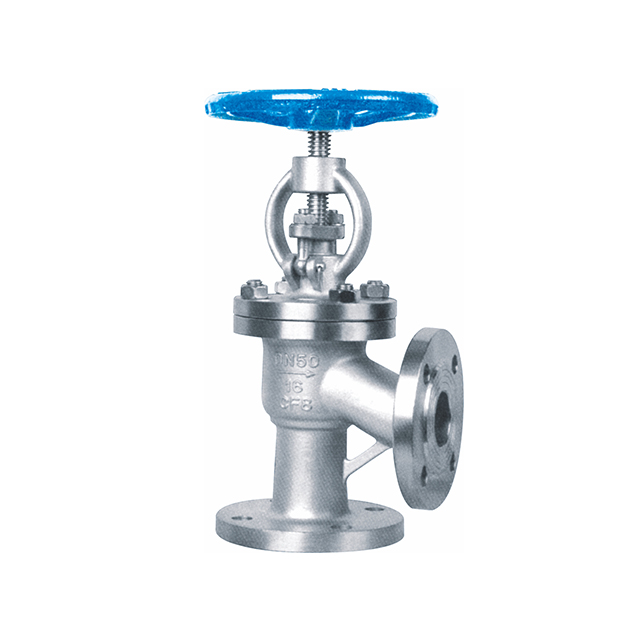
Modified Straight Pattern
Some valve designs use a modified straight pattern. This pattern maintains a more traditional body shape but improves the internal flow path.
Manufacturers adjust the seat angle and chamber shape to guide the fluid gradually. This reduces sharp flow turns that could cause erosion.
Both patterns aim to balance two key goals. The valve must seal tightly while still allowing stable flow through the body.
The choice between patterns depends on pressure level, flow speed, and service temperature.
How Pressure Seal Geometry Affects Velocity
Valve geometry plays a direct role in controlling fluid velocity. The internal chamber shape determines how quickly fluid accelerates or slows down.
In high pressure systems, fluid entering the valve may already have significant speed. If the flow path changes direction suddenly, velocity can increase sharply.
Flow Acceleration Zones
Inside the valve body, certain areas naturally create faster flow. These zones include:
- The seat opening
- The narrow throat near the disc
- The outlet chamber
When fluid passes through these areas, pressure drops while velocity rises.
If the internal pattern is poorly designed, velocity spikes may cause damage to nearby surfaces.
Managing Velocity Through Geometry
Valve designers shape the internal chamber to control these effects. Smooth transitions allow fluid to change direction gradually.
This design reduces turbulence and keeps the flow more stable.
Many industrial globe valves used in power plants rely on this principle. The goal is to maintain predictable velocity levels across the entire valve body.
By managing velocity, the valve reduces wear on critical sealing components.
Erosion Points in High Temperature Service
High temperature systems create additional challenges for valve materials. Fast-moving steam can slowly remove metal from internal surfaces.
Certain areas inside the valve body experience more erosion than others.
Common Erosion Locations
Typical erosion points include:
- The seat ring
- The downstream body wall
- The disc seating edge
These locations experience the highest flow velocity during operation.
Over time, repeated exposure can create small pits or surface thinning.
Why Pattern Design Matters
A carefully designed valve pattern helps reduce these erosion risks. Smooth flow paths prevent extreme velocity changes that could damage metal surfaces.
The pressure seal globe valve design often includes reinforced areas near these high-stress zones. This improves durability in high-temperature steam service.
Regular inspection also helps detect early signs of erosion before serious damage occurs.
Additional Factors That Influence Valve Performance
Valve pattern design works together with several other engineering factors.
Material selection plays an important role. High-temperature alloys can resist erosion better than standard steel.
Valve size also affects flow behavior. Larger valves must control higher volumes of fluid, which increases internal velocity forces.
Stem and seat alignment must remain precise. Poor alignment can disturb flow patterns and increase turbulence.
Manufacturing quality also matters. Smooth internal surfaces reduce friction and help maintain steady fluid movement.
When these factors combine with the correct body pattern, the valve performs optimally even under extreme pressure conditions.
Conclusion
The internal pattern of a pressure seal globe valve plays a major role in controlling flow, velocity, and erosion. Proper geometry helps protect internal parts and maintain stable operation in high pressure systems.
Engineers evaluate flow path design carefully when selecting high-pressure globe valve equipment for demanding industrial pipelines.


