
Every power plant runs on precision—and at the center of that control are the valves. Whether it’s regulating steam, controlling water flow, or keeping pressure in check, the right power plant valve plays a critical role in keeping the system efficient and safe.
But not all power plants are the same. Thermal power plants operate under extreme heat and high-pressure steam conditions. A hydro plant handles massive water flow. A nuclear facility faces extreme safety demands. In each case, the valves used must match the conditions—and if they don’t, the risk isn’t just downtime, but system failure.
In this article, we’ll break down the role of valves in power plants, the most common types used, and how specific valves—like the butterfly valve in hydropower plants or those used in nuclear and thermal systems—are chosen for performance and reliability.
Why Valves Matter in Power Plants
A power plant relies on thousands of moving parts, but few are as essential—or as overlooked—as the valves. They control the flow of water, steam, air, and fuel throughout the whole system. Without them, there’s no control over pressure, no regulation of heat, and no way to shut things down safely.
Valves in power plant systems serve three core purposes:
- Flow regulation: Manages how much fluid or gas moves through the system to keep operations stable.
- Isolation: Shut off sections of the system for maintenance or emergency response.
- Protection: Prevent backflow, overpressure, or leaks that can damage critical equipment.
When the wrong valve is used—or when one fails—the impact can be serious. Uncontrolled pressure or flow can shut down turbines, damage boilers, or even pose safety hazards to workers. That’s why every valve in a power plant is chosen carefully to match the system’s pressure, temperature, and flow conditions.
Key Types of Valves Used in Power Plants
No matter the type of power plant, certain valves show up again and again. Each one serves a specific purpose—some manage flow, others protect equipment, and a few do both.
Here’s a breakdown of the most commonly used power plant valve types:
- Gate Valves
Used mainly for on/off control. Gate valves are reliable for isolating parts of the system but aren’t designed for flow regulation. - Globe Valves
Ideal when precise flow control is needed. These are often used in feedwater and cooling systems where accuracy matters. - Ball Valves
They’re known for having tight shut-offs and quick operation. Ball valves are typically used where fast isolation is needed and minimal leakage is important. - Butterfly Valves
Compact and efficient, these are used where space is limited and large-diameter flow needs to be controlled—especially in hydro plants. - Check Valves
These allow flow in one direction only, protecting pumps and turbines from backflow that could cause damage. - Control Valves
Used in systems that need automatic adjustment, like maintaining pressure or temperature within a set range.
The right combination of these valves is essential for balancing performance, safety, and efficiency in any power facility.
Butterfly Valves in Hydroelectric Power Plants
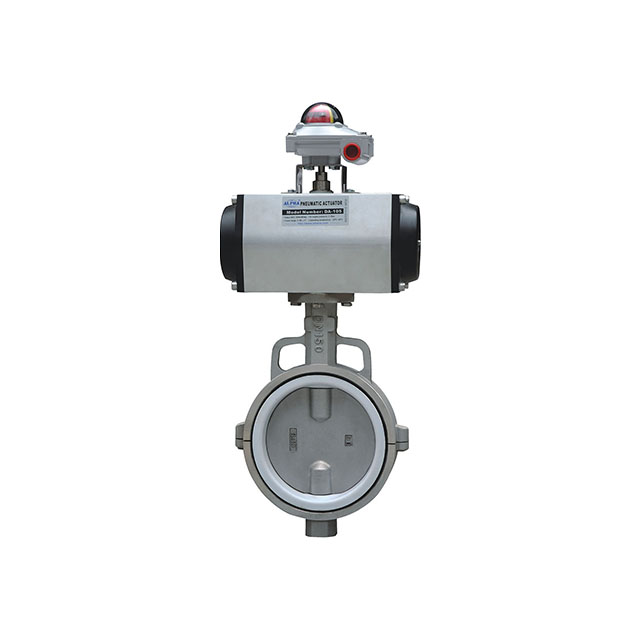
In hydroelectric power plants, managing large volumes of water efficiently is crucial. Butterfly valves are used in these settings due to their compact design and quick operation. They are particularly effective in controlling the flow of water through penstocks and turbines, allowing for rapid shutoff and flow regulation.
The design of butterfly valves enables them to handle high flow rates with minimal pressure drop, making them ideal for applications where space is limited and efficiency is paramount. Their ability to provide tight shutoff and precise control contributes to the overall safety and performance of hydroelectric systems.
By incorporating butterfly valves into hydroelectric power plants, operators can achieve reliable flow control, reduce maintenance requirements, and enhance the responsiveness of the system to changing operational demands.
Valves in Nuclear Power Plants

In nuclear power plants, safety and precision are everything. Every component—including valves—must perform without fail under extreme conditions. The valves in nuclear power plants are chosen not only for function but also for their ability to withstand high temperatures, radiation, and pressure over long periods.
Common valve types used in nuclear settings include:
- Globe Valves: Used for regulating flow in critical systems like coolant circulation and feedwater control.
- Check Valves: Prevent reverse flow that could damage sensitive parts like pumps or reactor cooling systems.
- Pressure Relief Valves: Act as safety backups to release excess pressure and avoid dangerous buildup.
These valves are often built from high-grade alloys and undergo strict testing and certification processes before installation. Nuclear facilities typically demand compliance with ASME standards and other nuclear-grade specifications.
Because of the risks involved, any failure in valve performance can affect not just the plant but the surrounding environment. That’s why reliability isn’t optional—it’s built in from the start.
Valves Used in Thermal Power Plants
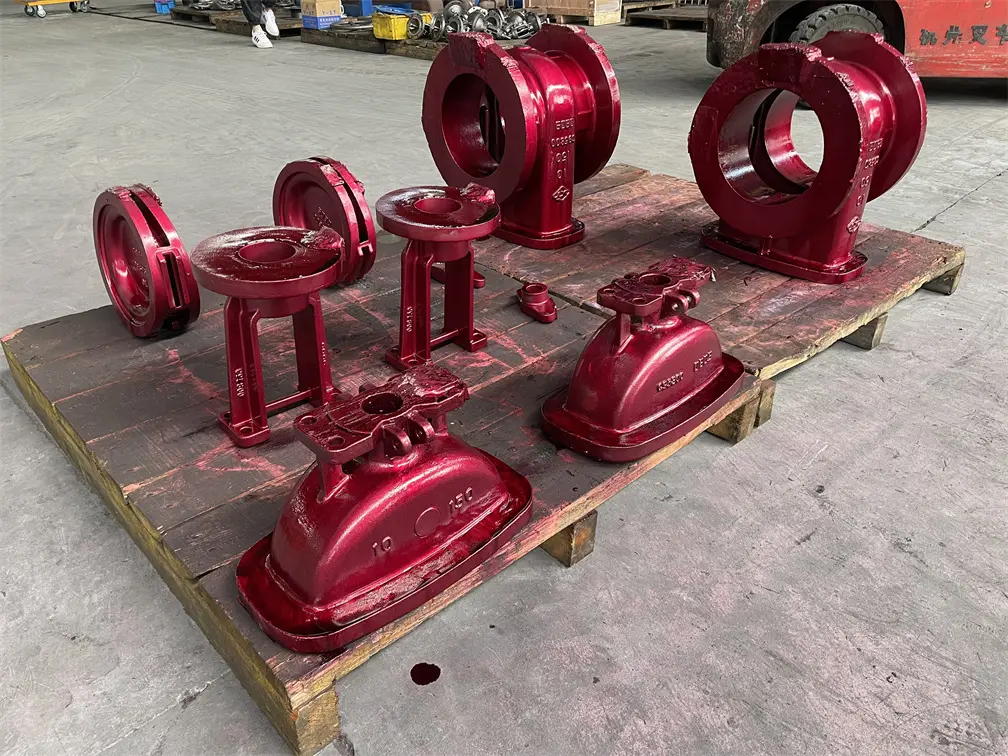
Thermal power plants rely on steam to drive turbines—and controlling that steam takes serious equipment. The valve used in thermal power plant systems must handle high temperatures, high pressure, and rapid cycling without breaking down.
Some of the most common valve types in thermal plants are:
- Gate Valves: Often used in steam lines to fully open or isolate sections. They’re built to handle high temperatures and provide reliable shutoff.
- Globe Valves: Essential for controlling flow in feedwater systems and steam regulation lines.
- Ball Valves: Used where quick, secure shutoff is needed—often in auxiliary systems.
- Control Valves: Adjust flow and pressure automatically to keep boilers and turbines operating within safe limits.
In these plants, the wrong valve can lead to inefficient combustion, unsafe pressure buildup, or turbine damage. That’s why material selection (like forged steel) and testing (for temperature and pressure ratings) are non-negotiable factors.
Power Plant Valves: Final Thoughts
Power plants don’t get second chances when something fails. Leaking valves or poor pressure control can shut your system down—or worse, safety hazards. That’s why the quality of every power plant valve is critical from the start.
Xintai offers a wide range of tested, high-performance valves that meet international standards for power generation, including hydro, thermal, and nuclear applications.


