
Quick Answer
Single and double-offset butterfly valves differ in stem positioning, affecting sealing, friction, and durability. Single offset valves are cost-effective for low-to-medium pressure uses like water treatment and HVAC, but offer position-based sealing. Double offset valves, with dual offsets, provide tighter shutoff, handle higher pressures and temperatures, and suit demanding industries like oil and gas, though at a higher initial cost.

Single and double-offset butterfly valves are two of the most common types of industrial butterfly valves used for flow control in pipelines. The main difference lies in how the valve disc and stem are positioned inside the body, which affects sealing performance, friction, durability, and where they’re best used.
In this guide, we’ll break down single offset butterfly valves and double offset butterfly valves step by step, so even beginners can understand how they work, where they’re applied, and which one might suit specific industrial needs.
What Are Butterfly Valves?

Butterfly valves are quarter-turn valves designed to regulate the flow of liquids, gases, and sometimes slurries in industrial pipelines. The valve uses a rotating disc connected to a stem that opens or closes with a simple 90-degree turn.
They are widely used because they’re compact, lightweight, and cost-effective compared to other valve types. In industries like oil and gas, chemical processing, water treatment, and HVAC, butterfly valves help control pressure and maintain efficient flow. Among them, single offset butterfly valves and double offset butterfly valves stand out for their specialized designs and performance.
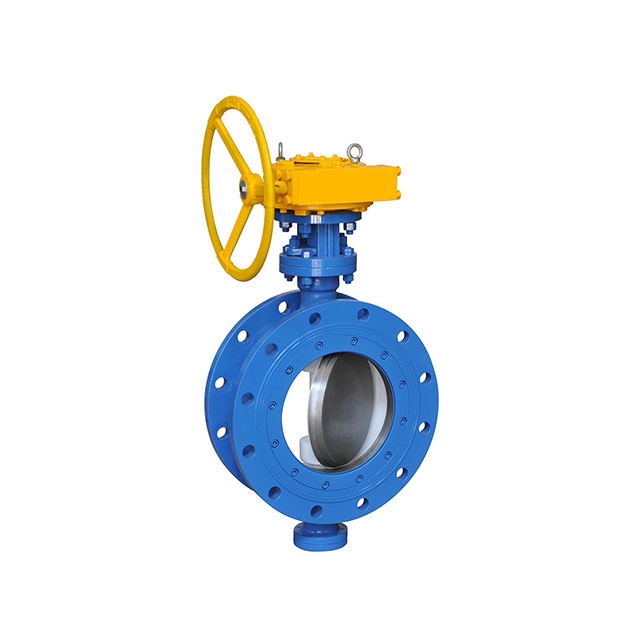
What Is a Single Offset Butterfly Valve?

A single offset butterfly valve has its stem slightly offset from the center of the disc. This means the stem isn’t aligned with the valve’s centerline, reducing friction between the disc and seat when the valve opens or closes.
Key Features
- Reduced wear between the disc and seat
- Lower torque requirements, making manual operation easier
- Compatible with elastomeric seats for better flexibility
Applications
Single offset butterfly valves are suitable for low to medium pressure systems, such as:
- Water distribution and treatment plants
- HVAC systems
- Light-duty industrial processes
Advantages
- Cost-effective option for general-purpose flow control
- Easier maintenance due to simpler construction
- Compact and lightweight for space-limited installations
Limitations
Because single offset designs use position-based sealing, they’re less effective under high-pressure or high-temperature conditions compared to double offset or triple offset butterfly valves.
What Is a Double Offset Butterfly Valve?
A double offset butterfly valve, often called a high-performance butterfly valve, features two distinct offsets in its design. The stem is positioned away from both the center of the disc and the centerline of the pipeline. This configuration allows the disc to lift off the seat quickly during operation, reducing friction, minimizing wear, and improving durability.
Key Features
- Dual-offset geometry for improved sealing
- Suitable for both soft-seated and metal-seated butterfly valves
- Handles higher pressure and temperature conditions
Applications
Double offset butterfly valves are commonly used in more demanding systems, such as:
- Oil and gas processing
- Power generation facilities
- Chemical and petrochemical plants
- Water and wastewater treatment systems
Advantages
- Provides a tighter shutoff than single offset valves
- Longer service life due to reduced seat contact
- Lower operating torque allows for automation-friendly setups
Limitations
Double offset valves are more complex and costlier than single offset designs. However, their durability and performance often justify the investment in critical systems.
Single vs. Double Offset Butterfly Valves: Quick Comparison
| Feature | Single Offset Butterfly Valve | Double Offset Butterfly Valve |
| Design | Stem offset from disc centerline | Stem offset from disc and pipeline centerline |
| Friction | Moderate friction during operation | Minimal friction, less wear |
| Sealing | Position-based sealing | Tighter, more reliable sealing |
| Pressure Rating | Low to medium pressure | Medium to high pressure |
| Applications | HVAC, water treatment, light duty | Oil & gas, chemical, power plants |
| Cost | More affordable | Higher initial cost, lower long-term maintenance |
Where Do Triple and Zero Offset Butterfly Valves Fit In?
While this article focuses on single and double-offset butterfly valves, it’s worth mentioning two other types for context:
- Zero offset butterfly valve (concentric): Simple design where the stem and disc share the same centerline; best for basic liquid and gas control.
- Triple offset butterfly valve (TOV): Adds a conical sealing surface and torque-based sealing for zero-leakage performance, used in extreme pressure and temperature conditions.
These alternatives help engineers choose the right industrial butterfly valves based on specific operating needs.
Conclusion
Choosing between single offset butterfly valves and double offset butterfly valves depends on your system’s pressure, temperature, and sealing needs. Single offset valves are cost-effective for general use, while double offset valves are ideal for high-performance and critical applications. Xintai Valve Group provides reliable high-performance butterfly valves, metal-seated butterfly valves, and advanced solutions for global industries.Not sure which valve is right for your system? Explore our collection of butterfly valves and choose between single offset and double offset butterfly valves designed for different needs.


