
In industrial flow control, butterfly valves play an important role in water treatment plants and power grids.
As an engineer or procurement specialist, deciding between a metal-seated butterfly valve and a soft-seated butterfly valve is crucial. Choosing the wrong sealing material can lead to premature leaks, costly unplanned shutdowns, and serious safety risks.
This article discusses the differences between metal-seated and soft-seated valves, their features, specifications, and applications. It will help engineers and procurement buyers to decide on valve types based on ISO 5208 standards.
Soft Seated Butterfly Valves: Features and Specifications
A soft-seated butterfly valve uses an elastic, non-metallic material for the sealing surface. When the disc closes, it presses against the soft seal. That’s why it’s called a soft-seated valve.
The valve’s material deforms slightly and fills the microscopic gaps between the disc edge and seat. This results in a tight, zero-leakage seal.
This design is also evident in the resilient seated butterfly control valve. Another type is the bonded seat butterfly valve, where the seat is bonded directly inside the body during manufacturing. This design construction renders the seat inseparable from the body. It helps reduce assembly parts, but also means you have to replace the body when the seat wears out.
Common Materials Used in Soft Seat Valves
This section discusses the different materials and technical specifications used in soft seat valves. Each material suits different media, which depend on temperature, chemical compatibility, and how often the valve cycles.
- EPDM (Ethylene Propylene Diene Monomer) – Resists ozone, heat, and aging. Can operate in temperatures from -40°C to 120°C. Used in freshwater, wastewater, and seawater systems.
- NBR (Nitrile/Buna-N) – Standard choice for petroleum-based fluids and natural gas service. Good oil and abrasion resistance. Can operate in temperatures ranging from -30°C to 90°C.
- PTFE (Polytetrafluoroethylene) – Has near-universal chemical resistance. Typically used in pharmaceutical, chemical, and acid/alkali pipelines. Available in FDA-compliant grades. It can operate in temperatures ranging from -196°C to 200°C.
- Viton (FKM) – Can handle slightly higher temperatures than standard rubber. Has excellent chemical resistance. Common in aggressive solvent and fuel applications.
Features and Specifications of Metal Seated Butterfly Valves

A metal seated butterfly valve uses metal on both the disc edge and the seat. The valve uses materials such as a combination of stainless steel, steel with graphite, or alloy steel surfaces coated with Stellite or Tungsten Carbide (HVOF process).
Metal-to-metal contact is not as conforming as rubber. Metal seated valves often use a double eccentric or triple eccentric (TOV) geometry to achieve a reliable seal. Triple offset valves often meet API 609 standards for high-performance butterfly valves.
The offset design helps lift the disc away from the seat during usage. It only makes contact a few degrees before closing. This helps reduce seat wear and extends service life.
On the other hand, the triple offset design’s sealing surface forms a conical angle rather than sitting on the valve’s center. Upon opening or closing, the disc wedges into the seat without rubbing into it. Sealing force results from the disc’s final position and not from friction.
This design makes the metal seated valve more resilient than a soft seat valve. It can withstand high-pressure steam, abrasive slurries, cryogenic LNG, and corrosive chemical flows.
Comparison Between Metal and Soft-Seated Valves

In this section, you will learn about the key differences of each valve type. This will help you choose the best valve type depending on the application.
1. Sealing Performance
Soft seated valves achieve zero visible leakage, which adheres to ISO 5208 Class VI standards. This makes them the right choice for systems for water distribution or pharmaceutical lines.
Metal seated valves permit minor, controlled leakage, which adheres to ISO 5208 Class IV or Class V standards. These are acceptable in most industrial processes. The benefit of metal seats is that they do not age, swell, or harden as polymers do. This makes them reliable for long-term sealing stability.
2. Temperature Range
Soft seat valves fail when they go beyond their material limits. EPDM degrades when subjected to temperatures above 120°C. PTFE is limited to 200°C. Beyond those temperatures, metal seated valves are required.
Metal seated valves are temperature resistant from -196°C to 600°C. Alloy seats can withstand high temperatures, which makes them suitable for power plant steam lines and refinery distillation units.
Austenitic stainless steel can withstand very low temperatures, which makes it suitable for a cryogenic butterfly valve in LNG terminals and liquefied gas service. PTFE and rubber can freeze and shatter in very low temperatures.
3. Pressure Rating
Soft seated valves can operate within PN10 to PN16 pressure classes. This makes them suitable for water supply and light industrial lines.
Metal seated designs can withstand PN25, PN40, and higher pressures. They are suitable for high-pressure steam, gas transmission, and hydraulic systems.
4. Abrasion and Corrosion Resistance
Soft seat valves are prone to erosion and abrasion. Particles such as fine sand or catalyst fines scratch the soft seats and cause premature leakage in rubber or PTFE-seated valves.
Metal seats coated with Stellite (cobalt-chromium alloy) are resistant to particle erosion. The coatings protect against chemical attack in acid, alkali, and oxidizing environments.
5. Service Life and Maintenance
Normally, a soft-seated valve lasts three to five years before the seat needs replacement. The soft seat is easier to replace than a machined metal seat. However, soft seats degrade faster in harsh conditions and require more frequent maintenance.
Metal seats last more than ten years in demanding service due to their protective coatings. Repairs are more expensive, but maintenance intervals are longer.
6. Cost
Soft seated valves are 30% to 50% cheaper because their material and machining requirements are simpler. Metal seated designs are more expensive. They require precision machining of offset geometries and application of wear-resistant coatings.
If your project has high-temperature or abrasive service, it is more cost-effective to invest in a metal valve seat. This results in reduced downtime and fewer replacements.
7. Structural Differences
Soft seated valves typically utilize a concentric (centerline) design where the disc and stem share the same axis. On the other hand, metal seated models use double or triple eccentric geometries. This helps minimize seat contact during the stroke, which is vital for maintaining a durable metal-to-metal seal.
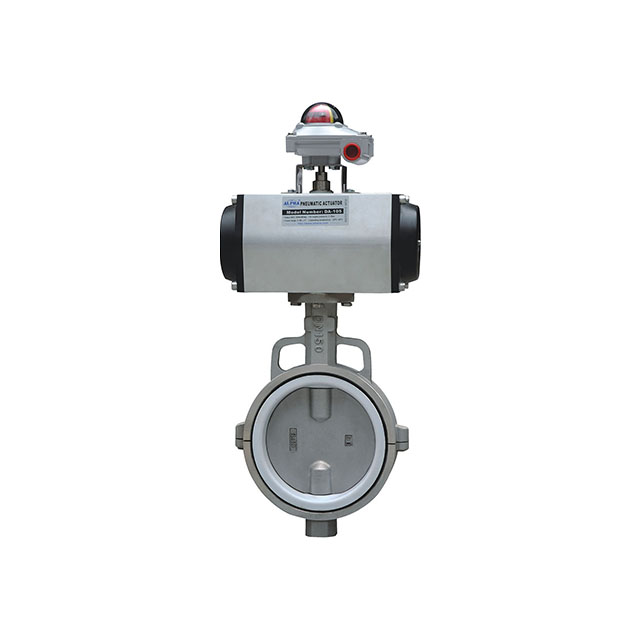
Because the disc wedges firmly into the metal seat, these designs require higher operating torque. Consequently, a butterfly valve with an actuator is standard for metal-seated installations.
Industry Applications: Metal Seated and Soft Seated Valves
This table summarizes the common applications where metal-seated and soft-seated valves are used:
| Industry Category | Soft Seated Valves | Metal Seated Valves |
| Water Treatment | Municipal water and wastewater treatment | Generally not required; unless high pressure/temperature. |
| Energy & Fuel | Not recommended for high-temp fuel. | Oil and gas refineries, crude oil pipelines, and gas transmission lines. |
| Power Generation | Limited to low-temp utility water. | Superheated steam lines, boiler feed water, and flue gas systems. |
| Chemical & Pharma | Food, beverage, pharma (FDA-compliant), and light chemical processing. | Petrochemical plants, high-pressure corrosive media, and fire-safe designs. |
| Heavy Industrial | Not suitable for abrasive media. | Mining, metallurgy, slurry transport, ash handling, and ore processing. |
| Specialized Apps | Fails in extreme cold. | Cryogenic butterfly valve applications (e.g., LNG service at -196°C). |
Conclusion
When choosing the right valve, it depends greatly on specific operating conditions. Soft seated designs offer zero leakage and lower costs for moderate-temperature and clean systems. Metal seated designs provide durability and resistance for abrasive, high-temperature, or cryogenic media.
Precision engineering relies on partnering with experienced metal-seated butterfly valve manufacturers. This ensures access to certified materials and traceable coatings. The metal seated butterfly valve price may vary based on material and complexity, but the long-term service life justifies the investment.
Xintai Valves, manufacturer of various industrial valves, offers a variety of metal-seated butterfly valve sizes for your project. Contact us for expert technical support.


