
API 602 valves are smaller and designed for lower pressure systems, usually up to 1500 psi. They are easier to install and maintain.
This article will explain the main differences between API 600 and API 602 valves. You will learn about their design, materials, uses, and performance.
By the end, you will know which valve standard fits your needs best. Keep reading to make a smart choice for your project.

What Is API 602?

API 602 is a standard for small industrial valves used in the oil and gas industry. It covers gate, globe, and check valves up to 4 inches (DN 100) in size.
These valves are crafted from forged carbon steel, alloy steel, and stainless steel, ensuring strength and reliability. The valve body is typically forged from these materials, providing the main pressure boundary and contributing to the valve’s overall durability and performance. Designed to handle high pressure and temperature, they feature wear-proof sealing surfaces and polished stem seals to prevent leaks and emissions.
API 602 valves are widely used in natural gas and petroleum industries, offering compact, durable solutions for demanding applications where tight sealing and low emissions are essential.
What Is API 600?

API 600 is a U.S. standard for cast steel gate valves primarily used in the petroleum industry. These valves regulate flow in pipelines and industrial systems, ensuring durability, reliability, and safety under harsh conditions.
Available in sizes from 2 to 60 inches, they handle pressures up to Class 2500 and temperatures up to 1000°F. API 600 valves are commonly available in class 150, which is widely used for lower-pressure applications in industrial systems. Featuring heavy-duty construction with bolted bonnets and metal-to-metal seating, API 600 valves provide tight sealing and long service life.
They undergo rigorous testing to meet the highest standards and are widely used in refineries, petrochemical plants, and large pipeline systems.
API 602 vs API 600 Comparison
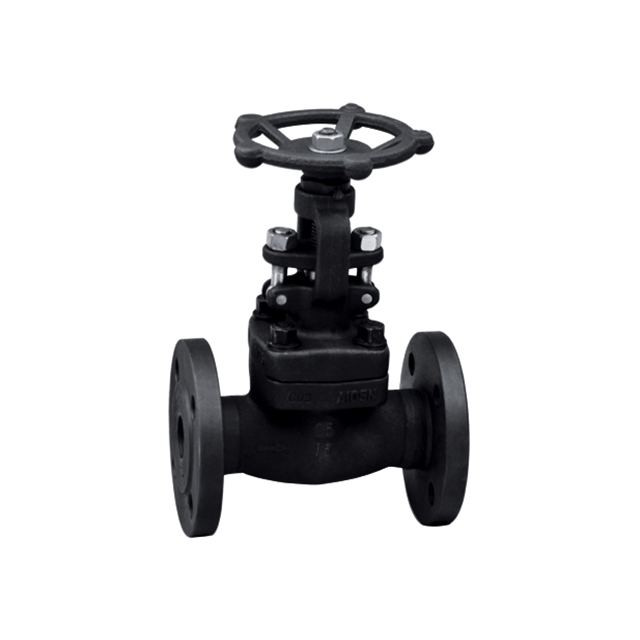
Let’s start with a brief overview of the key differences between API 600 and API 602 to help you choose the right valve standard. API 600 and API 602 valves are available in a wide range of pressure classes, including classes 150, 300, 600, 900, and up to 1500, making them suitable for different operational needs and system requirements.
| Feature | API 600 | API 602 |
|---|---|---|
| Valve Size Range | 2 inches to 60 inches | Up to 4 inches (DN 100) |
| Material | Cast steel (carbon steel, alloy steel) | Forged carbon steel, alloy steel, stainless steel |
| Pressure Classes | Up to Class 2500 (approximately 2500 psi) | Typically up to 1500 psi |
| Design Type | Rising stem and non-rising stem gate valves | Compact gate, globe, and check valves |
| Construction | Heavy-duty castings with bolted bonnet for durability | Compact design for ease of installation and maintenance |
| Sealing Mechanism | Metal-to-metal seating for tight sealing in high-pressure, high-temperature environments | Resilient seating for effective sealing in lower-pressure systems |
| Temperature Range | Up to 1000°F (approximately 538°C) | Moderate temperature ranges |
| Applications | Large pipelines, refineries, petrochemical plants, offshore drilling platforms | Smaller systems, wellhead control, low-pressure chemical distribution, small water treatment facilities |
| Maintenance Requirements | More frequent inspection and maintenance due to harsh environments | Easier to maintain, less frequent servicing due to smaller size and lighter use |
| Testing and Certification | Tested according to API standards including pressure, fire-safe, and leakage tests | Tested for low emissions and compliance with API standards |
| Advantages | Suitable for extreme pressures and temperatures, long-lasting durability | Compact, easy to install, lower initial cost, and easier maintenance |
| Disadvantages | Higher initial cost, larger size, more challenging installation | Not suitable for high-pressure or high-temperature environments |

Customize the perfect valve for your project! Get a quote and explore our custom options.
Compliance and Quality Assurance with API 600 and API 602
When choosing valves for industrial use, it’s important to know that they meet strict standards for safety and quality. API 600 and API 602 are two key valve standards that ensure valves are reliable and perform well in demanding environments.
What is Compliance?
Compliance means a valve meets all the rules and requirements set by industry standards. Both API 600 and API 602 valves must pass tests that check their strength, sealing ability, and durability. These tests are done according to API guidelines, which are recognized worldwide.
Key Quality Assurance Tests


- Pressure Testing: Valves are tested to handle pressures up to their rated class. For example, API 600 valves can handle pressure classes up to 2500 psi, while API 602 valves typically handle up to 1500 psi.
- Leakage Testing: Ensures the valve seals tightly without leaking, critical for safety and environmental protection.
- Fire-Safe Testing: Verifies that valves can maintain sealing even after exposure to fire.
- Low Emissions Testing: Especially for API 602 valves, this test checks that valves release minimal harmful gases during operation.
Certified Materials and Construction
API 600 valves are usually made from cast steel, including carbon steel and alloy steel. API 602 valves are often forged from carbon steel, alloy steel, or stainless steel. Both types must use certified materials that meet ASME classes and other industry specifications to guarantee strength and longevity.
Why This Matters
Using valves that comply with API 600 or API 602 ensures your system operates safely, efficiently, and lasts longer. These valves are tested and certified to meet the highest standards, giving you confidence in their performance in oil, gas, chemical, and other industrial applications.
If you want to be sure your valves meet these strict requirements, always request documentation showing they are API certified and tested according to the latest standards.
Summary Table: Compliance Highlights
| Test Type | API 600 Valves | API 602 Valves |
|---|---|---|
| Pressure Range | Up to 2500 psi (Class 2500) | Up to 1500 psi |
| Leakage Testing | Required | Required |
| Fire-Safe Testing | Required | Often required |
| Low Emissions Testing | Not mandatory | Mandatory |
| Material Certification | Cast Steel (Carbon & Alloy) | Forged Steel (Carbon, Alloy, Stainless) |
Choosing valves that meet API 600 or API 602 standards means choosing quality, safety, and peace of mind for your industrial projects.
XINTAI VALVES: API 600 and API 602 Valve Solutions


XINTAI Valves offers a wide range of API 600 and API 602 valve products, engineered for superior quality and reliability across oil, gas, chemical, and power industries. Our products are designed to meet the highest industry standards, ensuring compliance and performance in various applications.
Our valves undergo rigorous testing, including pressure, fire-safe, and leakage tests, ensuring top performance and safety.
We provide customizable options for sizes, pressure classes, and end connections such as flanged and butt weld. With advanced manufacturing capabilities and expert technical support, XINTAI delivers tailored valve solutions to meet your project’s unique needs.
Explore XINTAI’s full range of API 600 and API 602 valves and request a quote today to find the perfect valve solution for your project.
More API 602 vs API 600 FAQs
Can API 600 valves be used in low-pressure applications?
While API 600 valves are designed for high-pressure environments, they can be used in lower-pressure systems, but this may not be cost-effective or practical compared to API 602 valves which are optimized for such conditions.
Are API 602 valves easier to maintain than API 600 valves?
Yes, API 602 valves are generally more compact and simpler in design, making them easier to install and maintain, especially in confined spaces.
Do both API 600 and API 602 valves comply with the same testing standards?
Both valve types undergo rigorous testing, but API 600 focuses more on high-pressure and high-temperature performance tests, while API 602 includes additional low emissions testing to meet environmental regulations.
How do the sealing mechanisms differ between API 600 and API 602 valves?
API 600 valves use metal-to-metal seating for tight sealing under extreme conditions, whereas API 602 valves often use resilient seating materials suitable for lower pressures and to reduce fugitive emissions.
Which valve type offers better resistance to corrosion?
API 602 valves, often made from stainless steel and other corrosion-resistant alloys, generally offer better corrosion resistance compared to the cast steel API 600 valves.
What is the difference between API 600 and API 603?
API 600 focuses on heavy-duty steel gate valves for high-pressure and high-temperature applications.
In contrast, API 603 specifies lighter, more compact valves, typically made of corrosion-resistant materials like stainless steel, for lower-pressure environments that still require reliable performance.
What is the difference between API 600 and API 594?
API 600 specifies standards for gate valves, focusing on blocking or isolating flow.
API 594, on the other hand, covers the design and performance of check valves, which allow flow in one direction and prevent reverse flow, playing a different role in fluid control systems.
Summary
The article compares API 600 and API 602 valve standards, highlighting API 600’s focus on large, high-pressure cast steel gate valves and API 602’s emphasis on smaller, low-emission forged valves.
It covers differences in size, materials, pressure classes, design, applications, and testing requirements.Both standards ensure safety, reliability, and compliance in industrial settings like oil, gas, and chemical industries.
For tailored valve solutions that meet your project needs, contact XINTAI Valves and request a quote today to get started.


