
A solid wedge gate valve is the industry standard for high-turbulence and high-pressure applications because its single-piece metal gate resists vibration and won’t rattle apart during operation. It is the most robust choice for industrial piping systems where reliability is non-negotiable, though it does struggle with thermal locking in environments with extreme temperature swings.
If you deal with pipelines, you know that not all valves are created equal. Some are built for precision, while others are built for brute force. The solid wedge gate valve falls into the brute force category. It is simple, heavy, and incredibly common in refineries and steam plants. But understanding exactly when to use it over other types, like the resilient wedge, can save you from costly maintenance nightmares down the road.
What Is a Solid Wedge Gate Valve?
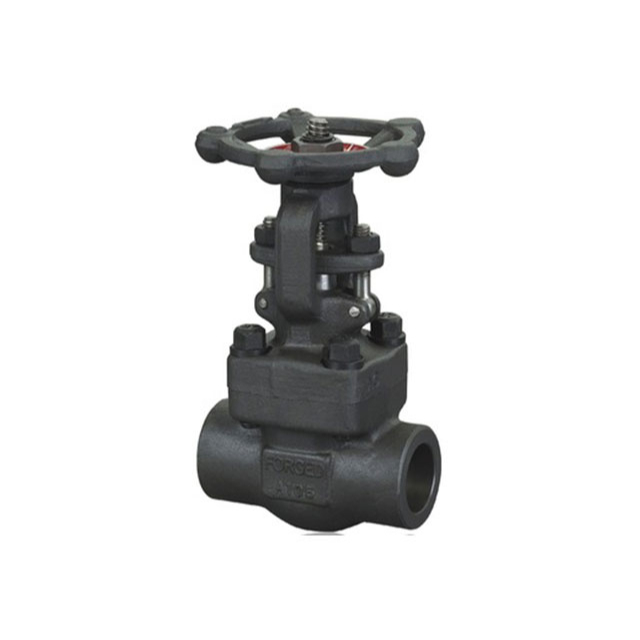
At its core, this valve is defined by its closure member. The “wedge” is the part that moves up and down to stop the fluid. In this specific design, that wedge is a single, solid piece of metal cast or machined into a tapered shape. It fits into a matching metal seat in the valve body.
The solid wedge design’s reliability stems from understanding wedge gate valve mechanics and how the rigid wedge geometry ensures consistent performance across varying operating conditions.
The solid wedge gate valve is widely used because of its simplicity. There are fewer moving parts to break. Unlike a split wedge, which has two pieces that can wiggle and adjust, the solid wedge is rigid. When you turn the handwheel, that solid block of metal drives down and cuts off the flow. It relies on the mechanical force you apply to the stem to create a tight seal against the seats.
Engineers evaluating solid versus flexible wedge options should reference our comprehensive guide on wedge gate valve selection criteria to align design selection with specific operational requirements.
The Logic Behind the Design
You might wonder why engineers choose a solid chunk of metal rather than something flexible. The answer lies in the solid wedge gate valve disk design. Because the disk is one solid piece, it is practically immune to vibration.
In a system with very fast-moving liquid or steam, the flow is turbulent. It shakes everything it touches. If you used a multi-piece wedge in that environment, the pieces would chatter against each other. Over time, that chatter destroys the valve from the inside out. The solid wedge has no loose parts to rattle. It stands firm against the turbulence, which makes it the go-to option for steam lines and high-velocity oil pipelines.
Comparing Solid Wedge vs. Resilient Wedge Valves
This is the most common decision engineers have to face. Should you use a solid metal wedge or a rubber-coated resilient wedge?
The Resilient Wedge
A resilient wedge valve has a metal core wrapped in a rubber-like elastomer. When it closes, the bottom of the valve is flat. The rubber compresses against the flat bottom to make a bubble-tight seal. These are fantastic for water systems because they can seal over small debris like sand or pebbles. The rubber just squishes around the dirt.
The Solid Wedge Difference
However, rubber has limits. You cannot use a resilient wedge in high-temperature steam; the rubber will melt. You cannot use it in high-pressure abrasive lines; the rubber will tear. This is where the solid wedge disc gate valve wins. It uses metal-to-metal seating. Hardened metal seats can withstand scorching temperatures and crushing pressures that would destroy a resilient wedge in minutes.
So, the rule of thumb is simple. Use resilient wedges for municipal water and sewage. Use solid wedges for steam, oil, gas, and industrial processing.
Major Advantages of the Solid Wedge
The biggest pro is durability. These valves are tanks. They are generally less expensive to manufacture than complex split-wedge designs because the casting process is straightforward.
Another massive benefit is orientation independence. Because the solid wedge gate valve disk design is rigid, you can install these valves in almost any position. You can mount them sideways or even upside down in a pipe rack, and the wedge will still travel correctly. Split wedges sometimes struggle if installed horizontally because the internal pieces can sag out of alignment.
The Downside: Thermal Binding
No valve is perfect, and the solid wedge has one famous weakness called thermal binding.
Imagine you are running a steam line. The valve is hot, perhaps 400 degrees. You close the valve tightly to shut down the system. As the system sits there, everything cools down. The metal body of the valve contracts as it cools.
Because the wedge is solid and has no give, the shrinking valve body clamps down on it with massive force. When you come back the next day to open it, the valve is frozen shut. The wedge is literally pinched by the body. This is why some operators in steam plants prefer a flexible wedge, which looks like a solid wedge but has a cut around the perimeter to allow a little bit of flex.
Sourcing Considerations and Global Supply
The market for these valves is global, and quality varies. If you are looking to purchase a China solid wedge gate valve, you are tapping into one of the largest manufacturing hubs in the world. Chinese foundries produce a massive volume of these valves for the global market.
When sourcing from there, the key is to look for specific casting standards. Since the wedge is a single piece, any porosity or air bubbles inside the metal casting can lead to failure under pressure. Reputable suppliers will offer X-ray or dye-penetrant testing reports to prove the solidity of the wedge. Do not just buy on price; buy on the assurance that the casting is truly solid.
Specific Use Cases: Fire Protection
One area where reliability is life-or-death is fire suppression. You might encounter a specification for a fire protection 2-1 2 solid wedge gate valve. In this context, the “2-1/2” refers to the pipe size in inches.
Why use a solid wedge here? Fire systems often sit idle for years. They need to work instantly when the alarm rings. A solid wedge is less likely to get stuck due to internal corrosion of moving parts because, again, there are fewer parts. However, the system designers must ensure the valve is exercised (opened and closed) periodically to prevent the metal seats from fusing together over long periods of inactivity.
Installation and Maintenance Tips
When you install a solid wedge gate valve, you need to ensure the piping is aligned. Since the wedge is rigid, it cannot compensate for a pipe that is bent or twisted. If the pipe puts stress on the valve body, the seats will warp, and the wedge will not seal.
For maintenance, these valves are often considered “repairable” but it is difficult. Because the seats are angled, relapping (grinding) them to fix a leak requires a special machine and high skill. Unlike a resilient wedge where you can just swap out the rubber gate, a damaged solid wedge usually means replacing the whole valve or sending it to a specialized shop.
Summary of When to Choose Solid Wedge
You should choose this valve if your medium is hot, the pressure is high, or the flow is turbulent. It is the correct choice for steam headers, oil manifolds, and industrial process lines. You should avoid it if you need a bubble-tight seal on dirty water or if you are worried about thermal locking in a system with huge temperature swings.
The solid wedge gate valve remains a dominant force in the industry for a reason. It does not try to be fancy. It relies on the basic physics of a wedge driving into a slot. While newer designs like butterfly valves or ball valves have taken some market share, nothing quite replaces the rugged reliability of a solid steel gate when you need to isolate a high-pressure line.

Customize the perfect valve for your project! Get a quote and explore our custom options.


